The Best Amateur Radio Club in Florida

Category: Excitement! Page 1 of 5

Saturday, in the Park, not on the 4th of July!

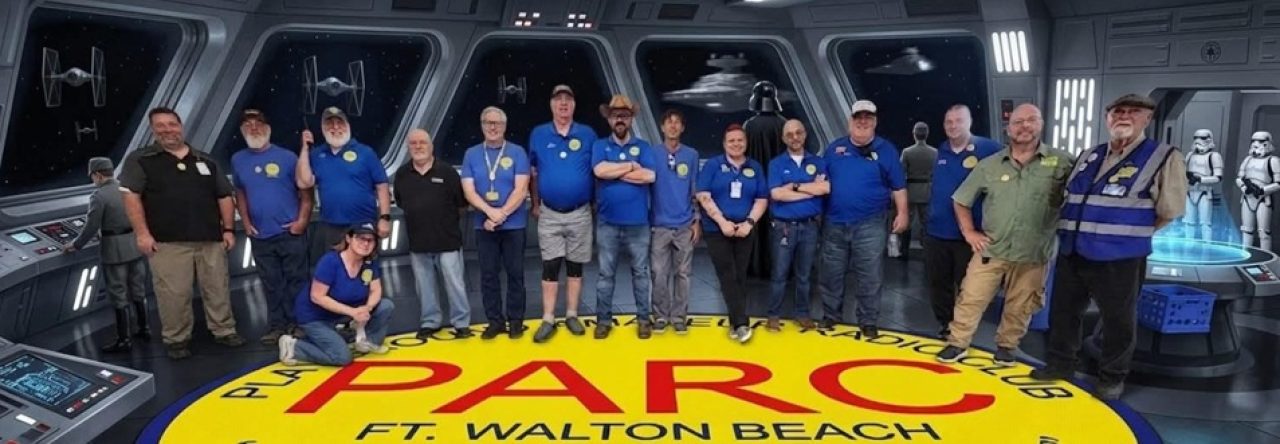
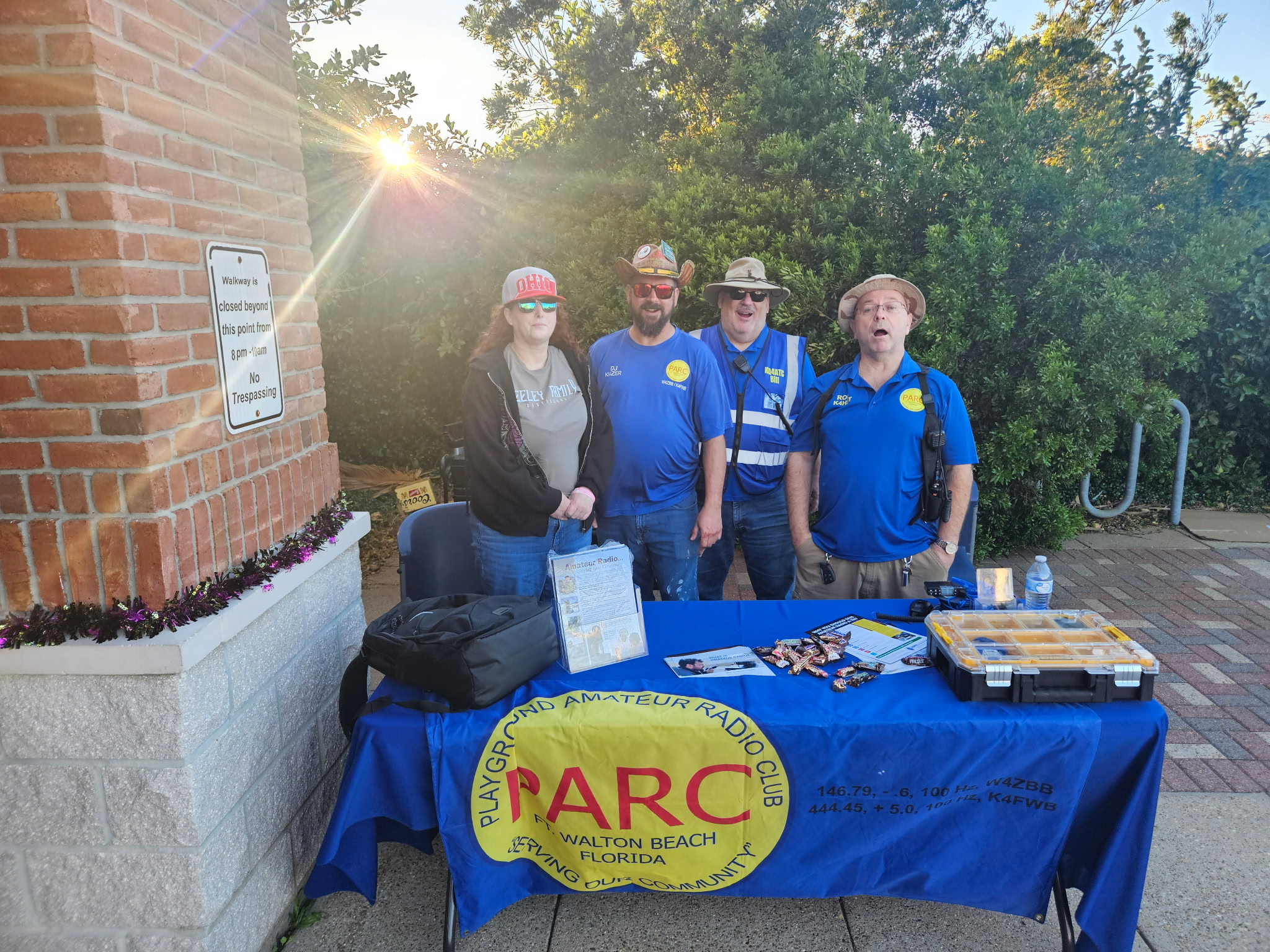
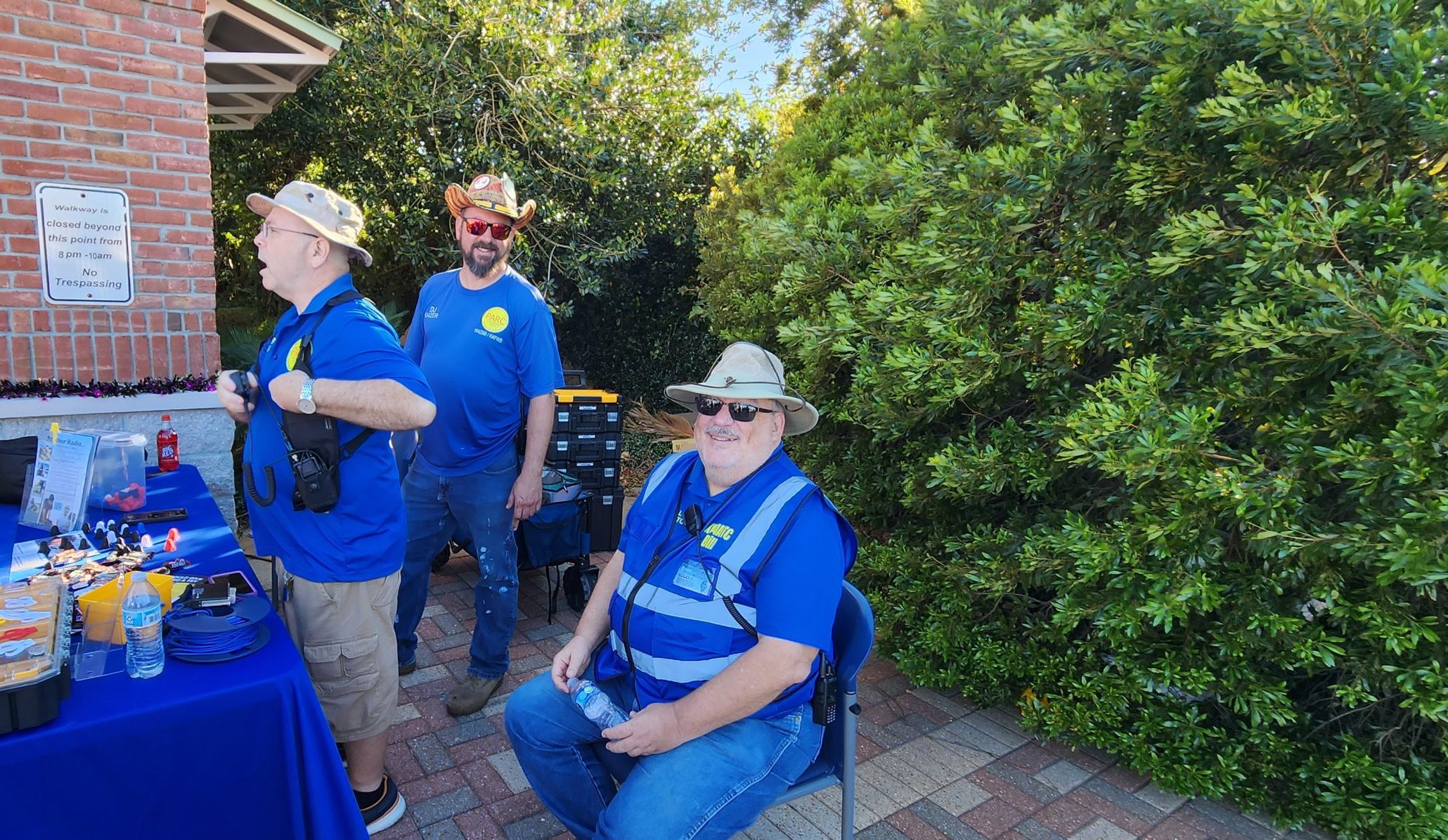
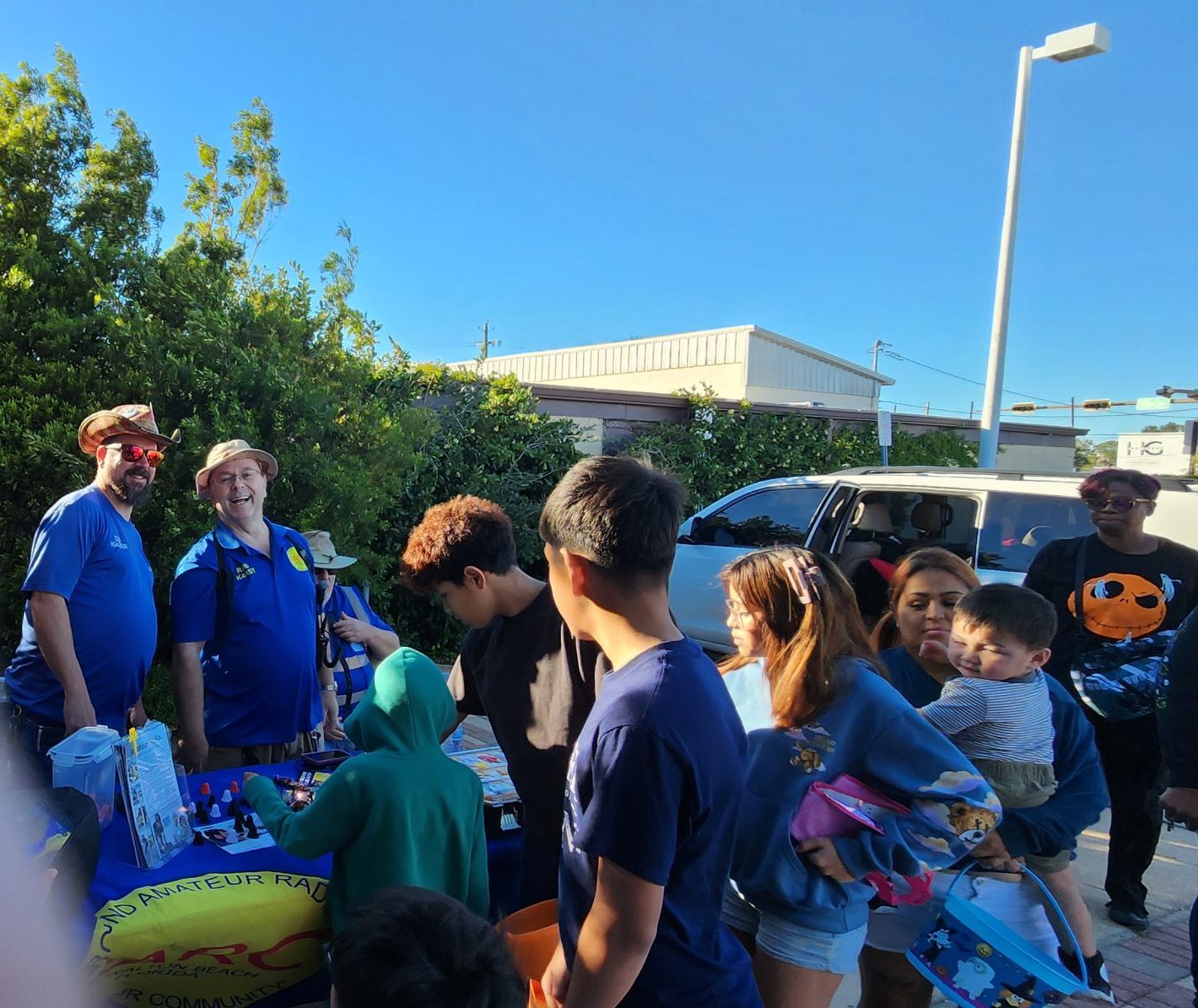
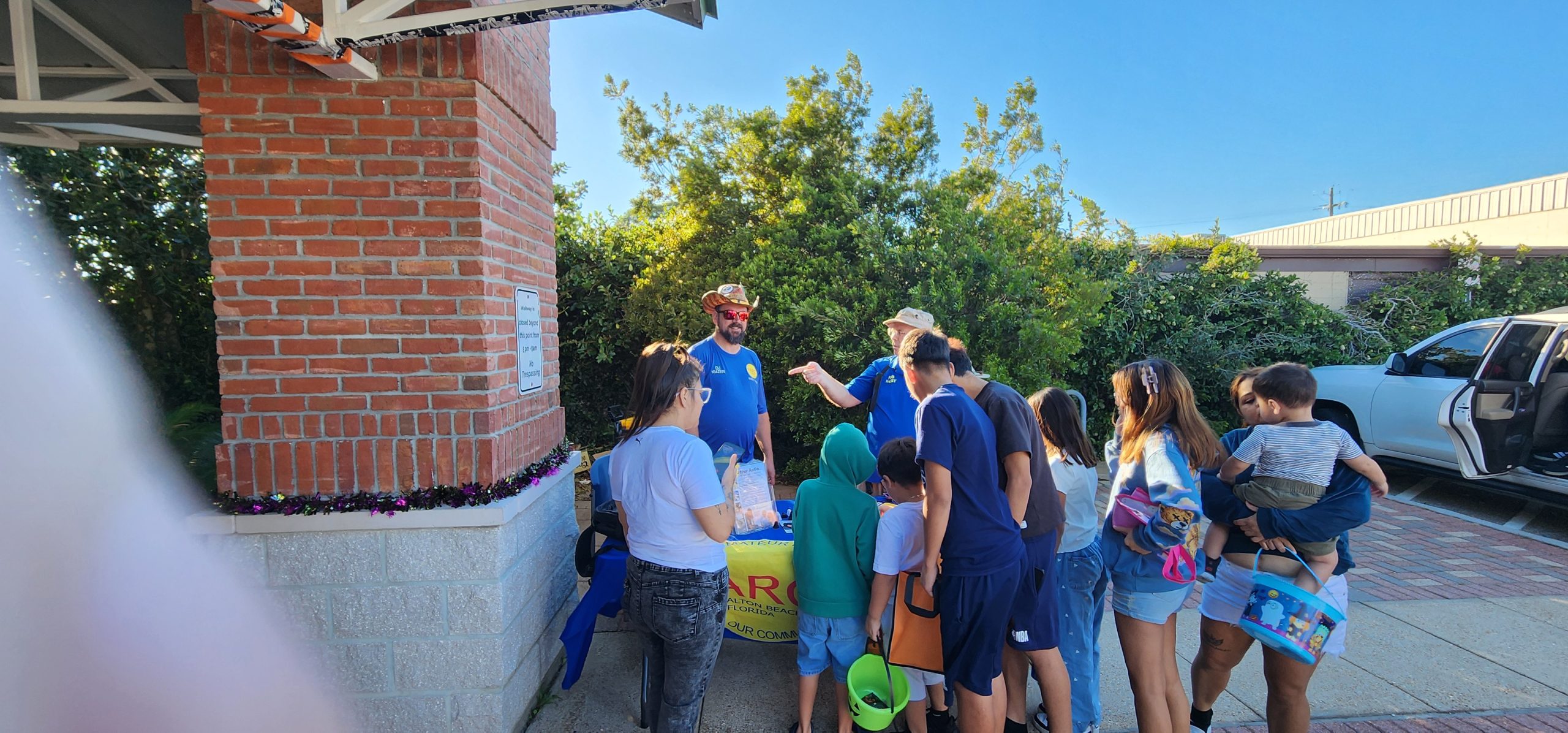
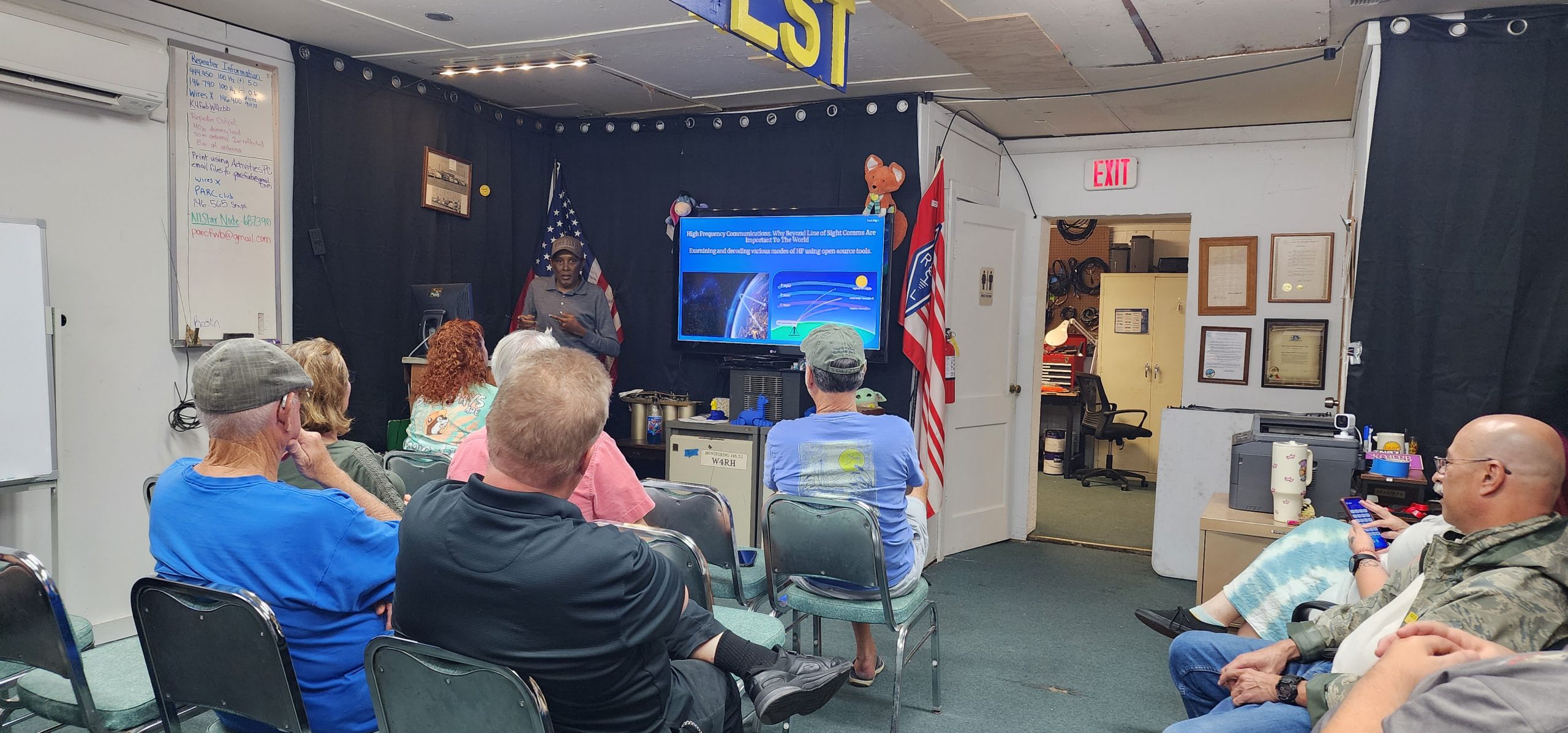
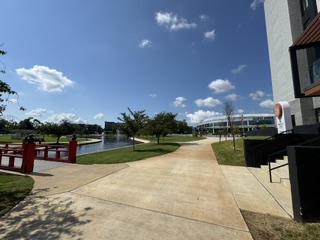
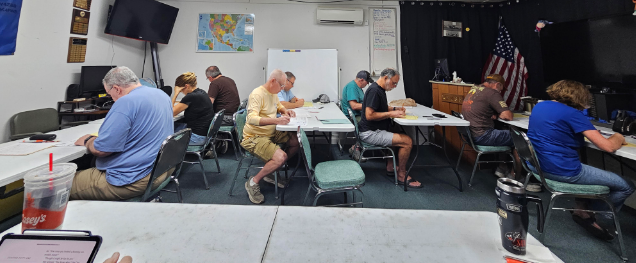
Team PARC united in droves for the Florida QSO Party despite the rain. Covering multiple bands and operating methods, the day featured plenty of mentoring, instruction, and live demonstrations. Public visitors, local officials, event coordinators, and passersby all got to experience the fun and energy of amateur radio firsthand! Be sure to watch the Club Calendar and participate with and at the Club and get your Ham On!

Florida QSO Party Apr 25, 2026!

The #FloridaQSOParty and team PARC #W4ZBB will be at this event on Saturday April 25th! Come knock out all 67 Counties via RF with us!

A Great Time at Mobile!

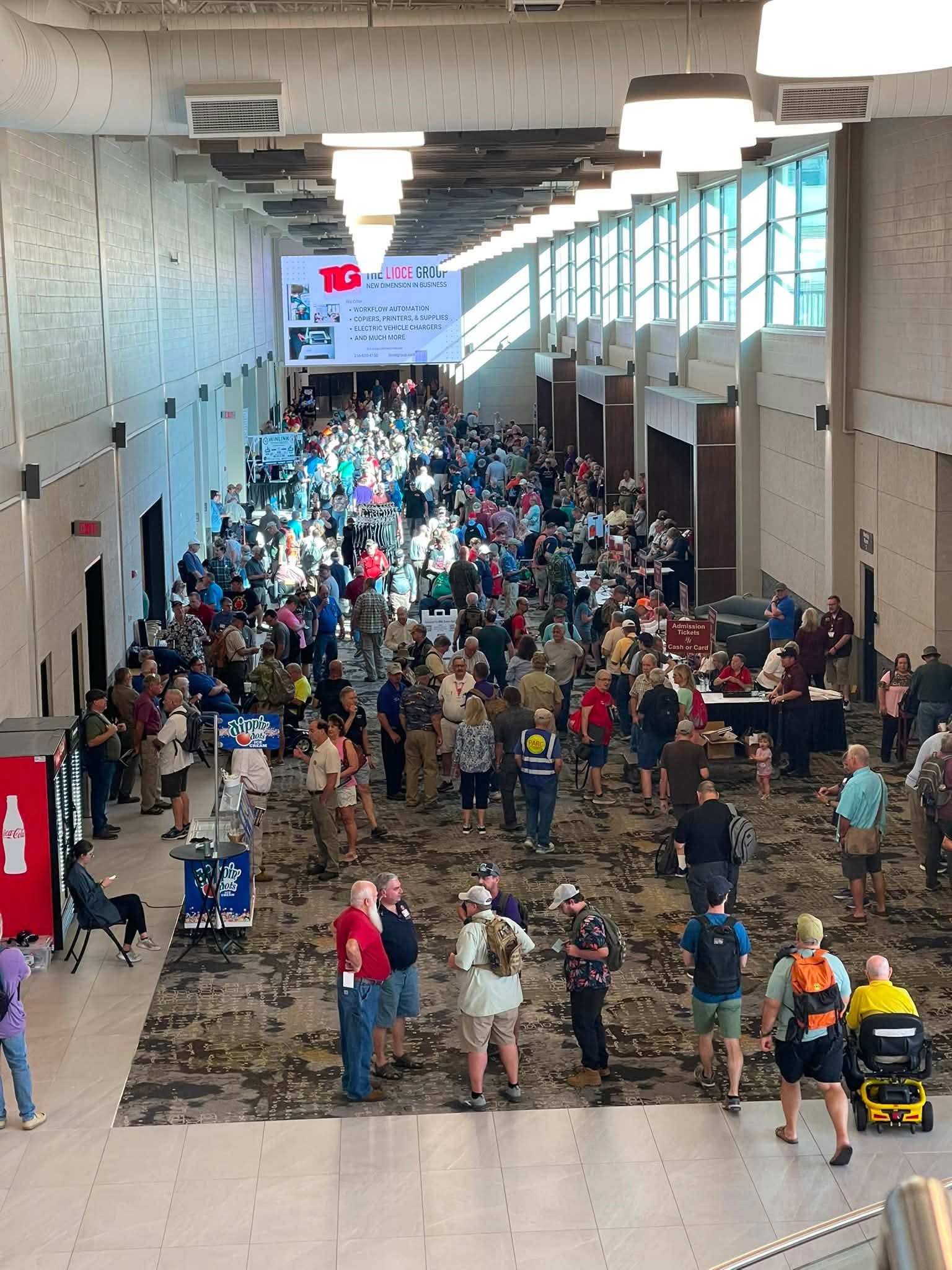
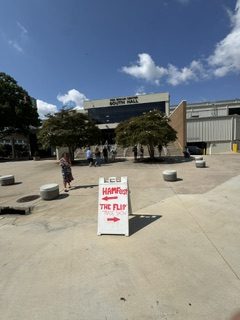
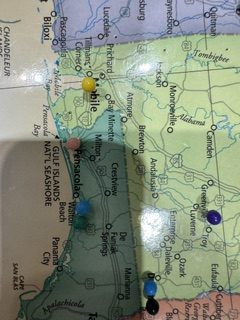
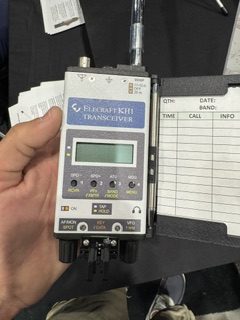
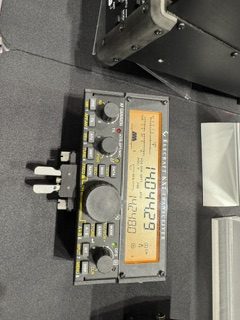
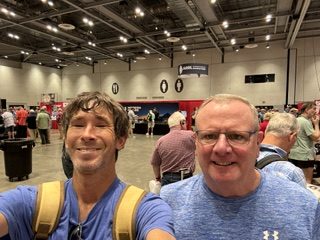
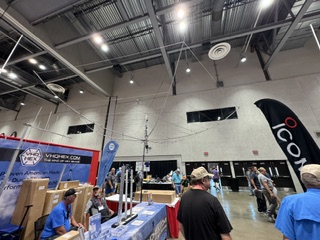
Some of Team PARC assembled to gather in Mobile at their Hamfest and boy howdy what a great time! We took time to sell, swap, trade, barter, see friends, make new ones, and experience the joy of our wonderful hobby! If you weren’t there, you missed out on a great time! We sure made the best of it and took it all in! Made a few stops and saw some cool stuff along the way as well! Be sure to join in with PARC as we continue to explore the world of Amateur Radio! Fo you want to k ow what’s next?! Go the the club calendar and see for yourself! 

Mobile or Bust! 18 Apr 2026!

Yard Sale Supporting FWB Jr Bombers

PARC joined up with the FWB Jr. Bombers Market and showed off what Amateur Radio is! We set up vhf/uhf/hf and demonstrated our capabilities!

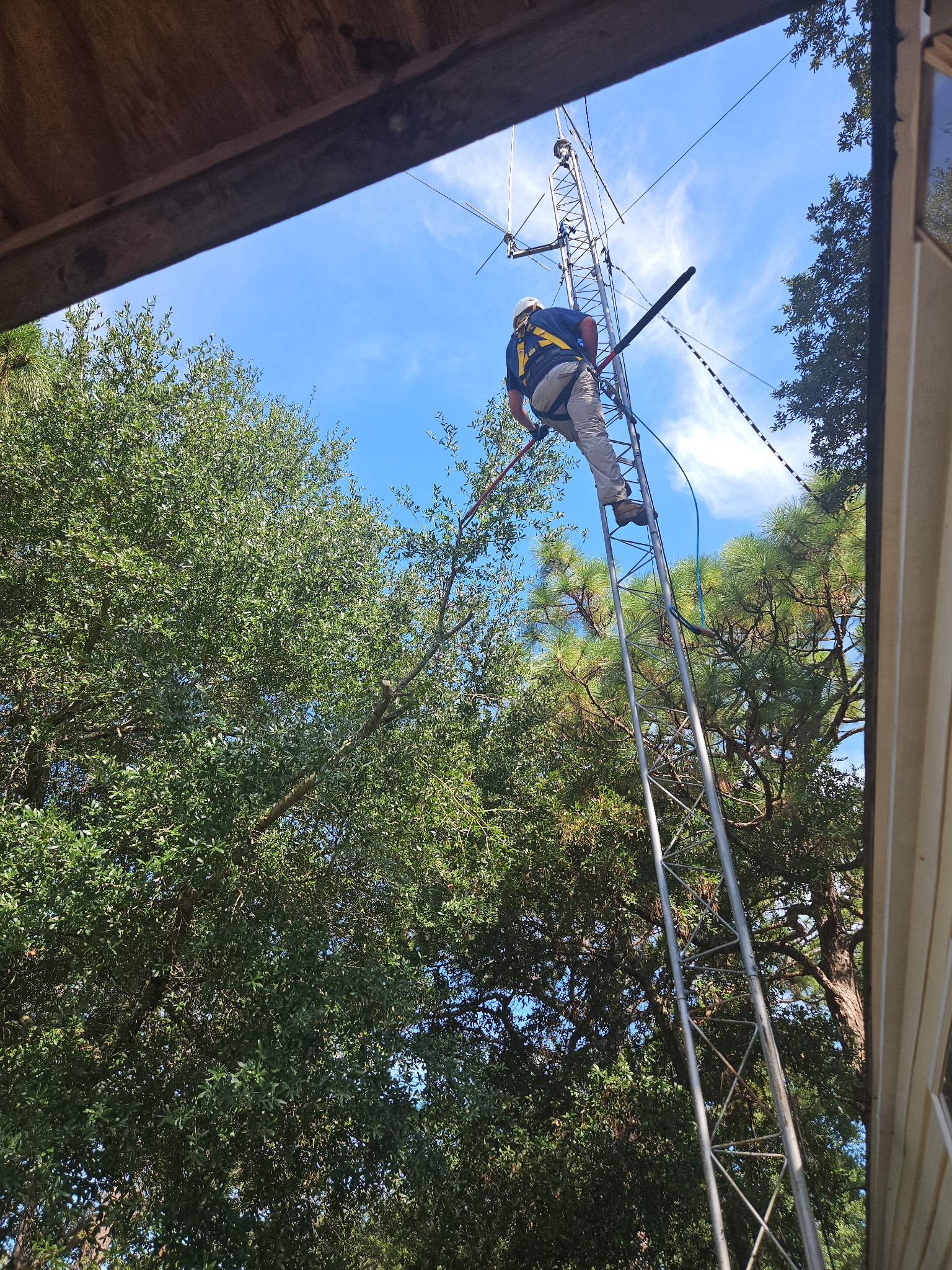
Building a Temp 80 Meter Loop in Steve & Cheryl’s Back Yard

From the Desks of Mike Pickett W9MWP and Steve Purshock KQ4SMM

Several years ago when I started visiting Fort Walton Beach for long periods of time after retirement I deiced to erect an antenna in the back yard of my hosts Cheryl and Steve KQ4SMM. When at home I regularly check in to the Badger Weather Net on 3.984 MHz. and decided it would be great if I could occasionally check in with warm numbers while visiting Florida. I started out with a copy of the antenna I use at home which is known as “The Mystery Antenna” a variation on the G5RV, a multi band antenna with peak performance on 20 meters. Details on that antenna can be easily found on the internet by just simply searching for “mystery antenna”. This antenna worked sometimes and sometimes not as is common with HF and propagation. I decided to look for something else a little more reliable and settled on an 80 M loop antenna mostly because it is often praised as a quiet antenna and void of noise.

Construction

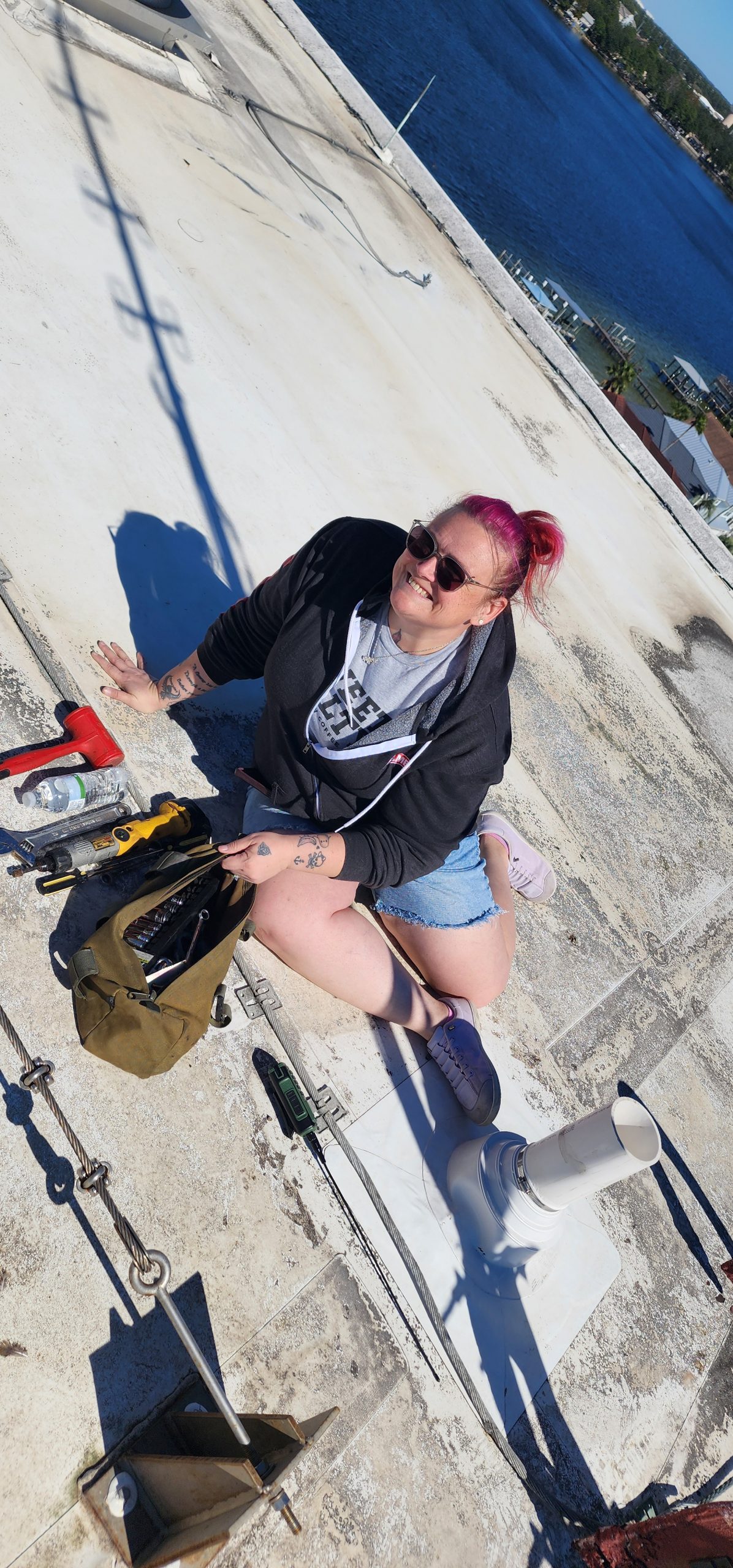
The first step in any project is to sit down with pencil and paper and a calculator and draw out a sketch to see if the project is workable. I started with the calculation to determine the full wave length of the center of the band 3.750 MHz. L=1005/F MHz. The result of that calculation was 268 feet, divide that by 4 and it comes out to 67 feet on each side, a quick jaunt around the back yard with a 100 foot tape determined I could easily do a 67 foot square in the space provided. Steve already had 2 ten foot sections of chain link fence top rail screwed to his fence forming a 20 foot mast for his VHF antenna with a rope and pulley on top. He had provided a duplicate mast for me to launch my Mystery Antenna for the last two years which now provided two of the for masts needed for my project, so it was off to Home  Depot to acquire 4 more sections to complete my square.

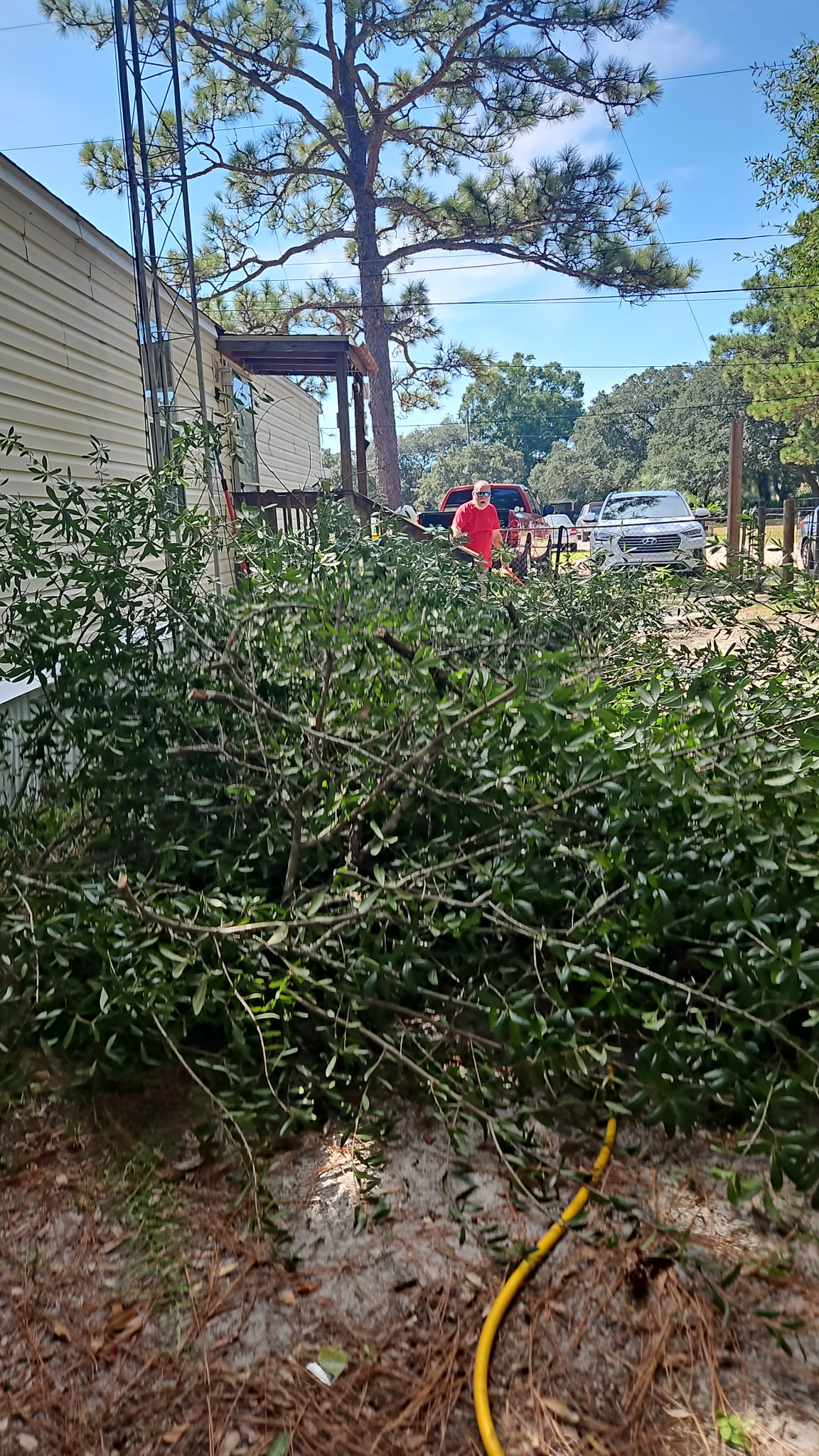
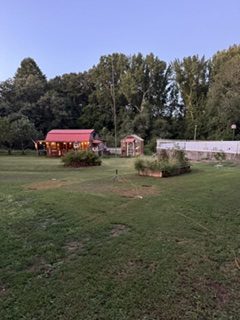
Supporting masts attached to fence in the back yard

After drilling and attaching 1/4” eye bolts and pulleys to the top of the two new 20 foot masts we screwed them to the fence on the other side of the property and awaited for the wire to arrive from Amazon, which is another disappointing story I won’t get into. Because the masts were not counter guyed against the strain of the antenna wire I chose light 18 ga. magnet wire for the antenna radiator so that it didn’t put excessive strain on the masts and would be easy to pull through the insulators on top of each mast. The plan worked well and once I had the wire I could easily string in through the insulators on each mast on the ground and we pulled the antenna up a little at a time until I felt the mast had reached it’s stress point. I purposely positioned the masts further apart then necessary to deploy the antenna so that there would be a little extra rope on each corner keeping the insulator away from the mast.

Testing

Connection to the antenna was a SO 239 soldered to each side of the insulator located in the corner near my operating point. After running the RG 8X into the shack I took a reading with my antenna analyzer and found the SWR null to be around the 3.650 MHz. somewhat lower than my target and measured about 1.7 to 1. Connection to my Kenwood TS 570S showed a different scenario however with the SWR off the scale everywhere without the tuner on. I found I was able to get the SWR manageable and down to 1.3 with the tuner. I attributed this to the direct connection without the use of an un-un Oh well too late in the day to make any more changes so I put it to bed for the day and decided to try for the Weather Net tomorrow.

Modifications

I was able to make contact with the Weather Net even with the antenna not showing the results I had intended. Now it was on to make the necessary modifications to make the antenna perform as intended. With the SWR graph null lower in frequency than target I knew the wire was too long so trimming was necessary. Taking into account how far it was off target and the ratio of the calculation for length I decided 15 feet would have to come off to get to 3.750, I cut 12 feet off thinking I can always cut more should my calculation be wrong. It came out to be about 3.7 MHz. Center so I was pretty close. While trimming for length I also installed an unun I had in my antenna box at the feed point and after a little modifying of the enclosure and adding a couple of terminals I was able to connect the aforementioned unun with a couple of wire nuts that were living in the pocket of my jacket. I would suggest soldering the connection for a permanent installation however. After examining the null on the analyzer graph though I found that it was not wide enough to cover the whole band with a decent SWR and maybe was 150 kc. on each side of center that was acceptable SWR with out the tuner. Since I was looking for the best performance on 3.984 MHz. I decided to cut another 10 feet off the radiator which brought the graph null in range at just under 4 MHz. I measured an SWR of 1.99:1 at 3.984 the target frequency, close enough I figured for a temporary antenna.

The extra un-un laying around in my antenna box

End Result

The next morning I was on with the folks from the Badger Weather Net and we were able to hear each other direct, reports from the net resulted in mostly somewhat weak but able to copy with generally a 5-6 S meter reading while using my Kenwood TS 570S with 100 W. While the antenna is not perfect it gets the job done and is reliable which is all I could ask for. I still am able send Winlink messages on the other end of the band with the aid of the radio’s built in tuner so it’s a usable antenna across the band with the aid of a tuner. Many people consider the loop antenna to be a much quieter antenna than a conventional dipole. I cannot attest to that since there seems to be a high noise level on 80 M here at Cheryl and Steve’s house. Overall I felt this to be a fun and rewarding project that accomplished my goal and provided some useful information and antenna building experience for Steve and myself.

Respectfully submitted by Mike Pickett W9MWP and Steve Purshock KQ4SMM

Hot Off the Press!

The QST for the ARRL-NFL!

https://arrl-nfl.org/wp-content/uploads/2026/04/01-QST-NFL-April-2026.pdf

POTA Hootenanny!

Parks on the Air (POTA) is an international radio sport award program that encourages licensed amateur radio operators to visit, enjoy, and operate portable equipment in parks and public lands worldwide. Founded as a nonprofit in January 2018 to continue the legacy of the ARRL’s National Parks on the Air event, it promotes emergency awareness and communication skills while operators respect park regulations and other users. 

The program involves two main roles: activators, who set up temporary stations in designated locations, and hunters, who search for and contact these stations from home or other locations.  To count as a valid activation, an operator must make a minimum of 10 contacts (QSOs) from a specific park within a single UTC day, logging them on the official website to earn awards based on bands, modes (voice, Morse code, or FT8), and total contacts! 

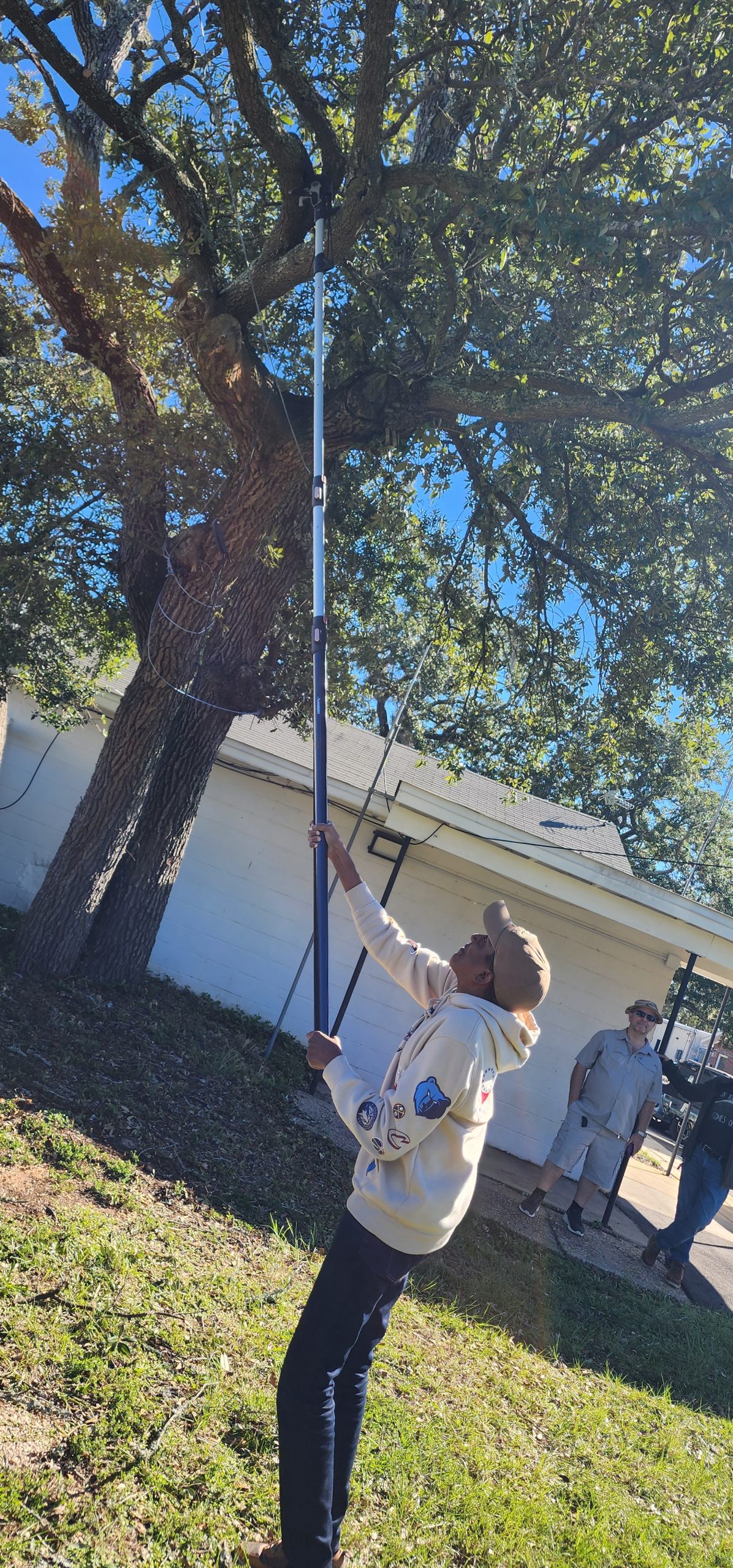
Our Teammate KR4FWK continues to experiment, hunt and activate! Here is an example of him attempting to perform the above at Fred Gannon  Park in Niceville Florida! Thank you for sharing and keep the key down!

Meet Pebble HF!

The newest ham radio thing to geek out about right now is the Pebble HF, a community-driven, ultra-affordable QRP (low-power) HF radio kit developed by the Ham Radio Duo (Becky N4BKY and Mike N4FFF) in collaboration with Barb WB2CBA and Guido PE1NNZ. Priced at a target of $50 USD (with early backers paying slightly more), it’s designed to be accessible even for first-time builders, featuring only 14 through-hole components and pre-populated surface-mount parts. Its standout features include USB-C power input (allowing operation directly from a phone), a built-in straight key and microphone, and a compact, portable design ideal for Parks On The Air (POTA) activations. This device is coming to the market soon. Get in line now! 


Thank You for Attending!

From our Group to yours, thank you for a wonderful event! The 56th Annual Playground Amateur Radio Club Hamfest is proud to have sponsored another great adventure in Amateur Radio!

Page 1 of 5

Powered by WordPress & Theme by Anders Norén