The Best Amateur Radio Club in Florida

Category: Pile-Up Page 1 of 5

…And Boy Howdy!

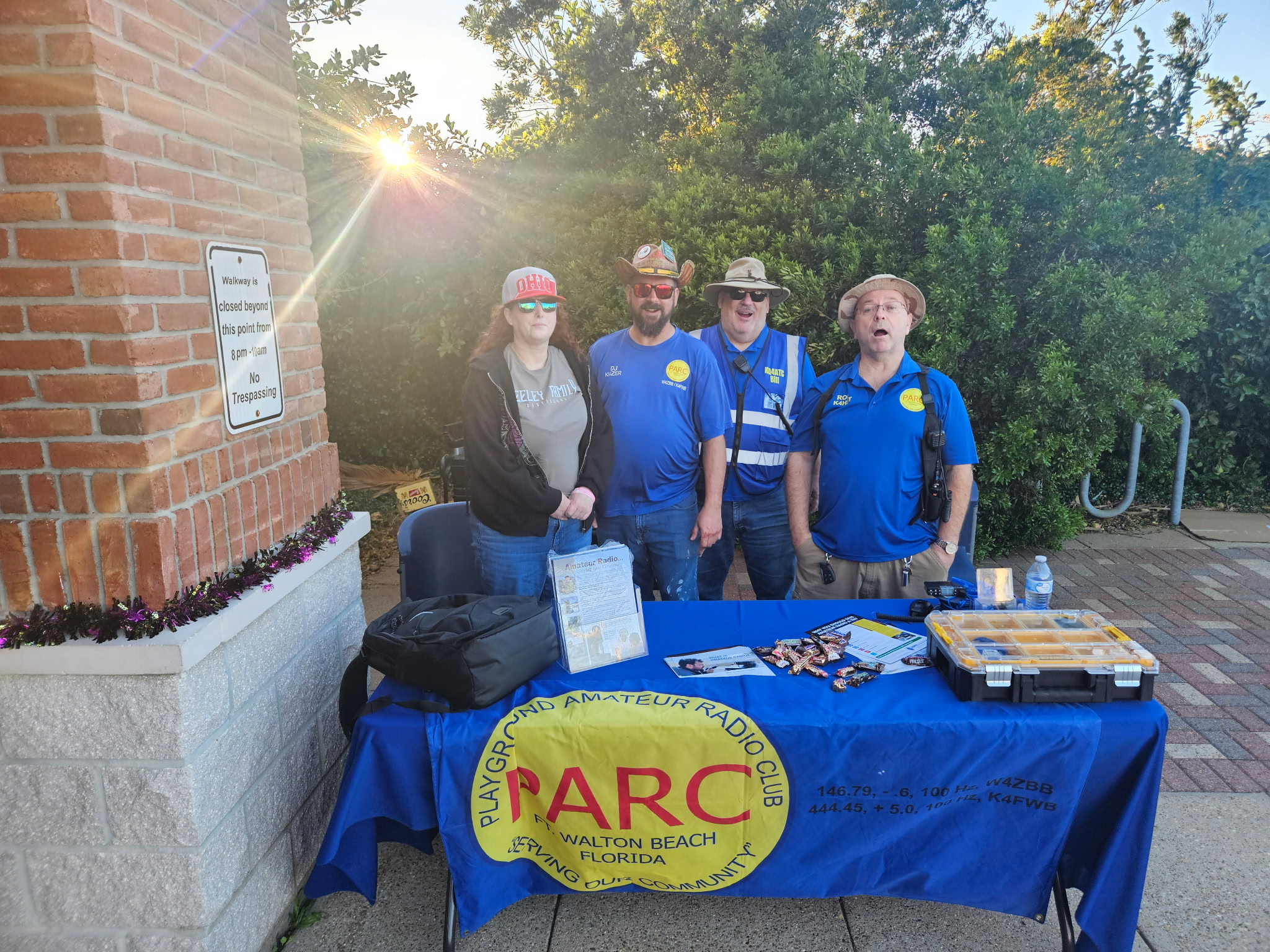
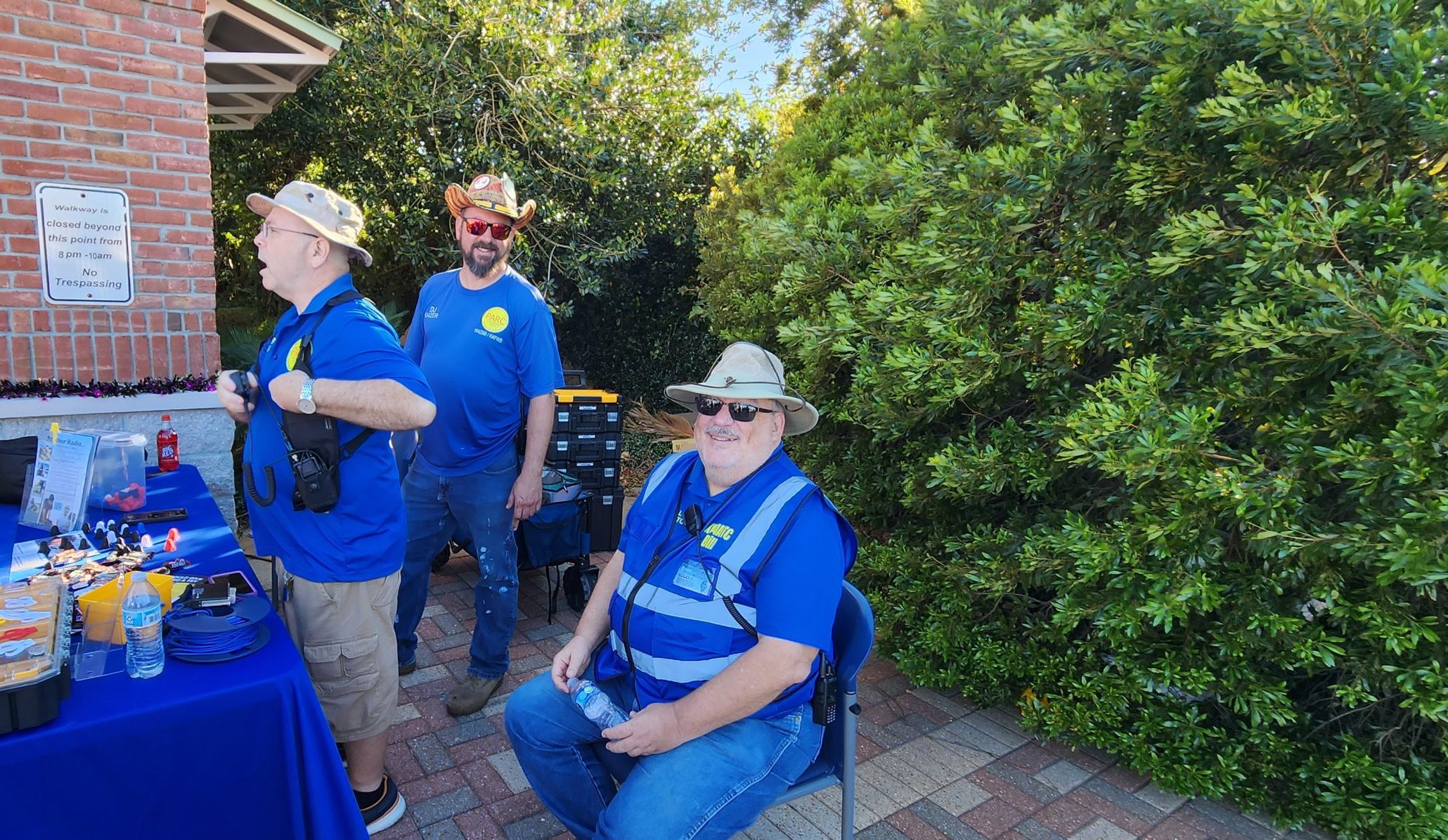
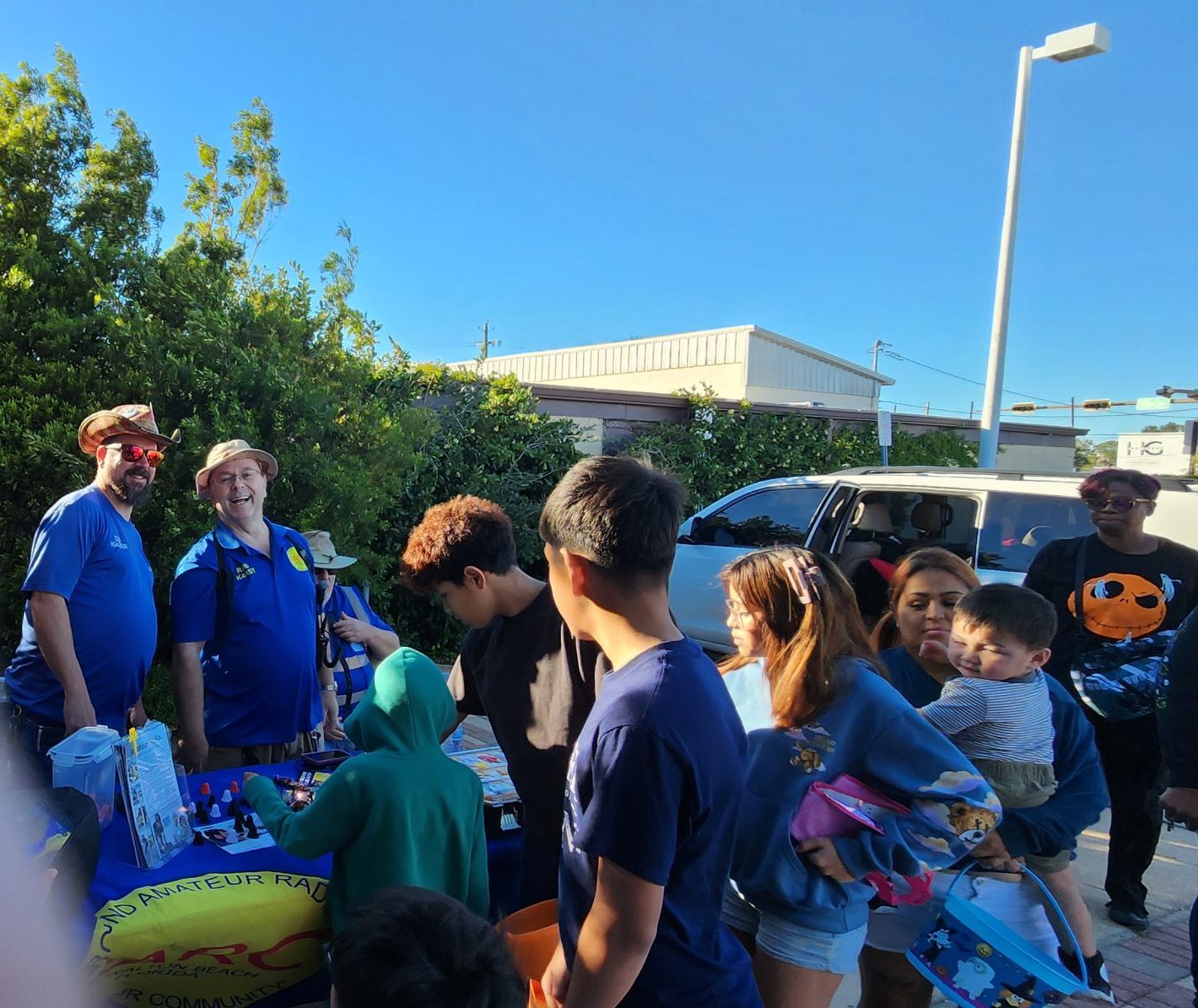
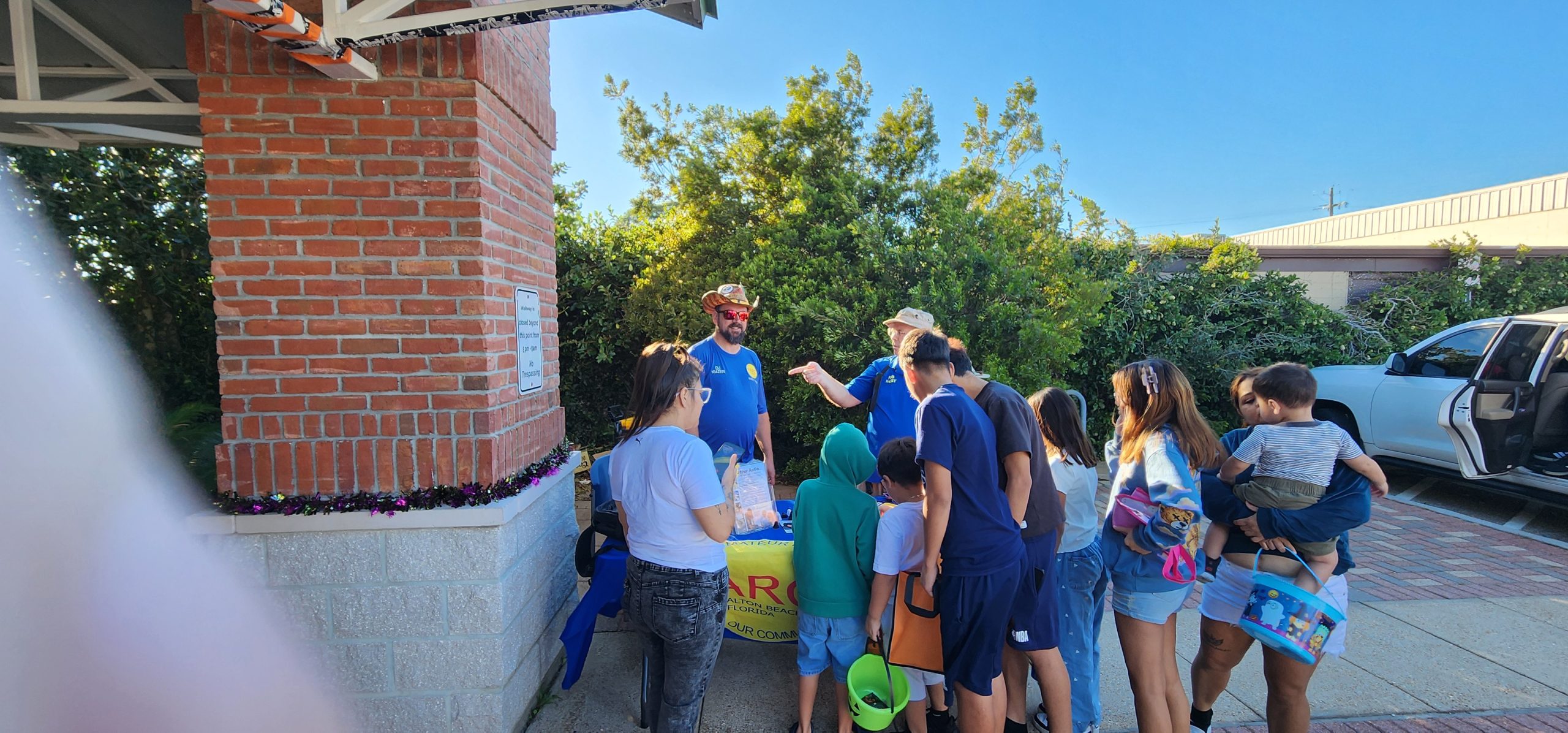
Hope your Sunday is a hamtastic day! PARC started off at the Panhandle United Roller Derby Junior Bombers Market! We demonstrated the ease and use of Amateur Radio while also continuing the public role of representing Amateur Radio!

This was followed by a site sur4vey for the Field Day event at the end of this month! Multiple Hams gathered to goc over last Thursday’s presentation and see the property at Liz Jackson in person to map out the extensive and exciting antenna field!

Be sure to tune tune your RF to the Playground Amateur Radio Club!


Get Your CQ On!

What the what?! That’s right…

Not one, but two chances this coming weekend to enjoy some awesome RF challenges!


First up, From the original post:

RAWNY will be joining over 100 other museum ships, June 6-7, for the annual Museum Ships Weekend – Amateur Radio Event! We will be on the air making contacts over ham radio from each of these vessels at the Buffalo and Erie County Naval and Military Park:


USS Little Rock – W2PE

USS The Sullivans – W2S

USS Croaker – W2C

USS Boston – W2B


The USS Boston SSN-703 is new for us this year. We will be operating from her memorial/sail, in front of the main museum building.


Look for each of these call signs spotted on POTA.app at US-6532 Erie Canalway, and the DX Cluster.

Second, New Month, New Challenges! Explore the US via the Lewis and Clark Trail! Get on the air and contact the stations along the route Lewis and Clark took to explore, map and record the Louisiana Purchase.


How many stations can you bag?


Good Luck and ham on!


ATAS 120A tripod for use with POTA or home use with a HOA

From the desk of KR4YXX!

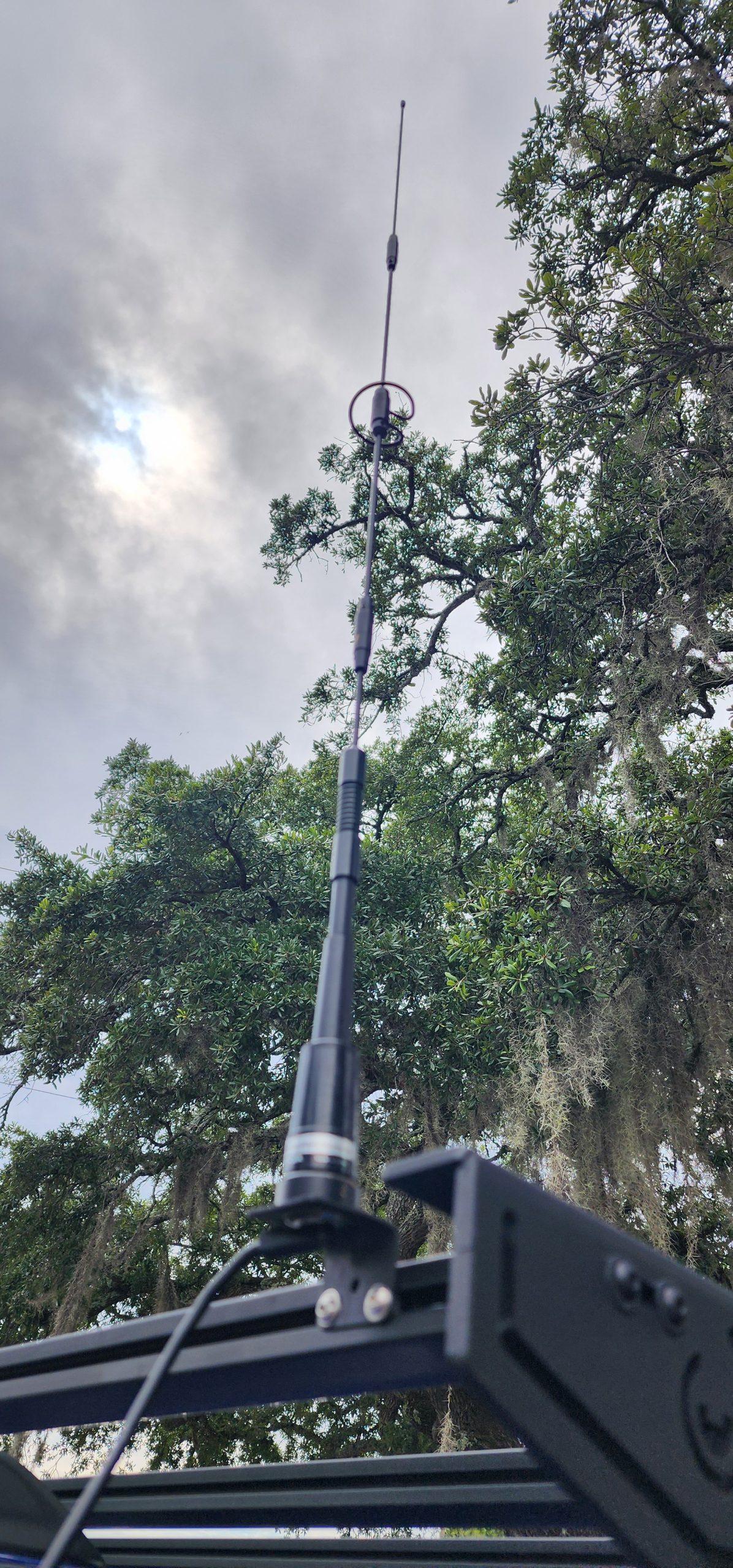
For POTA operations, the Yaesu ATAS-120A is best mounted on a tripod using a BuddiPole Vertical Antenna Clamp or a Gabil antenna tripod, which often includes thumbscrews for attaching ground radials.  Operators frequently use the large TIA tripod or modified mini-tripods, ensuring the legs are extended and angled to provide stability against wind. A critical requirement for tripod use is adding a ground plane system; this typically involves installing 4 to 8 radials (often 1/4 wavelength for lower bands like 40m and 20m) to achieve acceptable SWR, as the antenna performs poorly without them. 

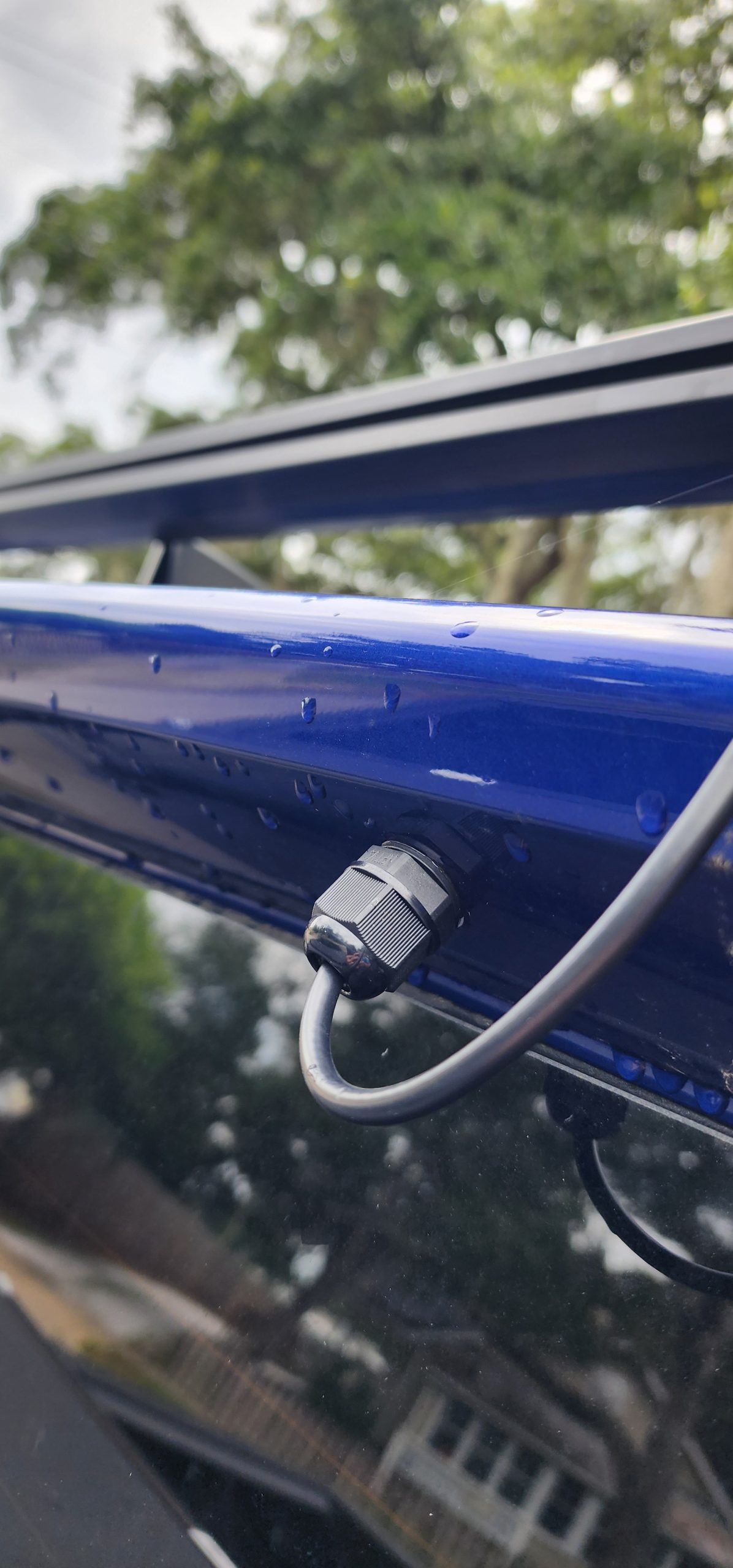
For home use with HOA restrictions, the ATAS-120A can be mounted on a balcony rail using a Diamond CRM mount or a Vice Grip, or elevated on a 6-foot mast positioned at rain gutter height to remain unobtrusive. To maintain low SWR in these elevated setups, users have successfully run counterpoise wires inside rain gutters or along the structure, though this requires testing for electrical continuity. Alternatively, mounting the antenna on a ground spike with a robust radial system is an option, though it may be less aesthetically pleasing for some HOA environments compared to elevated, hidden counterpoises. 

YOUTUBE

Tripod!

Llama [FOX] Transmitter Hunt – May 24, 2026 @ 1200pm!

Ever played a high-tech game of hide-and-seek? Known as “T-hunting” or “bunny hunting,” a Fox Hunt involves tracking down a hidden, battery-powered radio transmitter using directional antennas and portable radios. While it’s a favorite hobby for amateur radio enthusiasts, it also builds critical skills for search and rescue and locating signal interference. The Playground Team is inviting you to a Llama Hunt!

You might be wondering: Why the Llama? It started as an “in the moment” joke at a local ham event when someone lost a llama keychain. In true ham fashion, everyone jumped in to help “rescue” the lost llama, and the tradition stuck! Today, our 3D printing team keeps the legend alive with custom llamas to remind us all to take a break, share a laugh, and stay kind.

Ready to join the hunt? The Playground Amateur Radio Club invites you to grab your gear and see if you can find the Llama [FOX] first!

24 May at 1200 pm 17 First ST SE Fort Walton Beach is the starting point! We will see you at the start and welcome you back to the Clubhouse for the results!

Pile-Up Action!

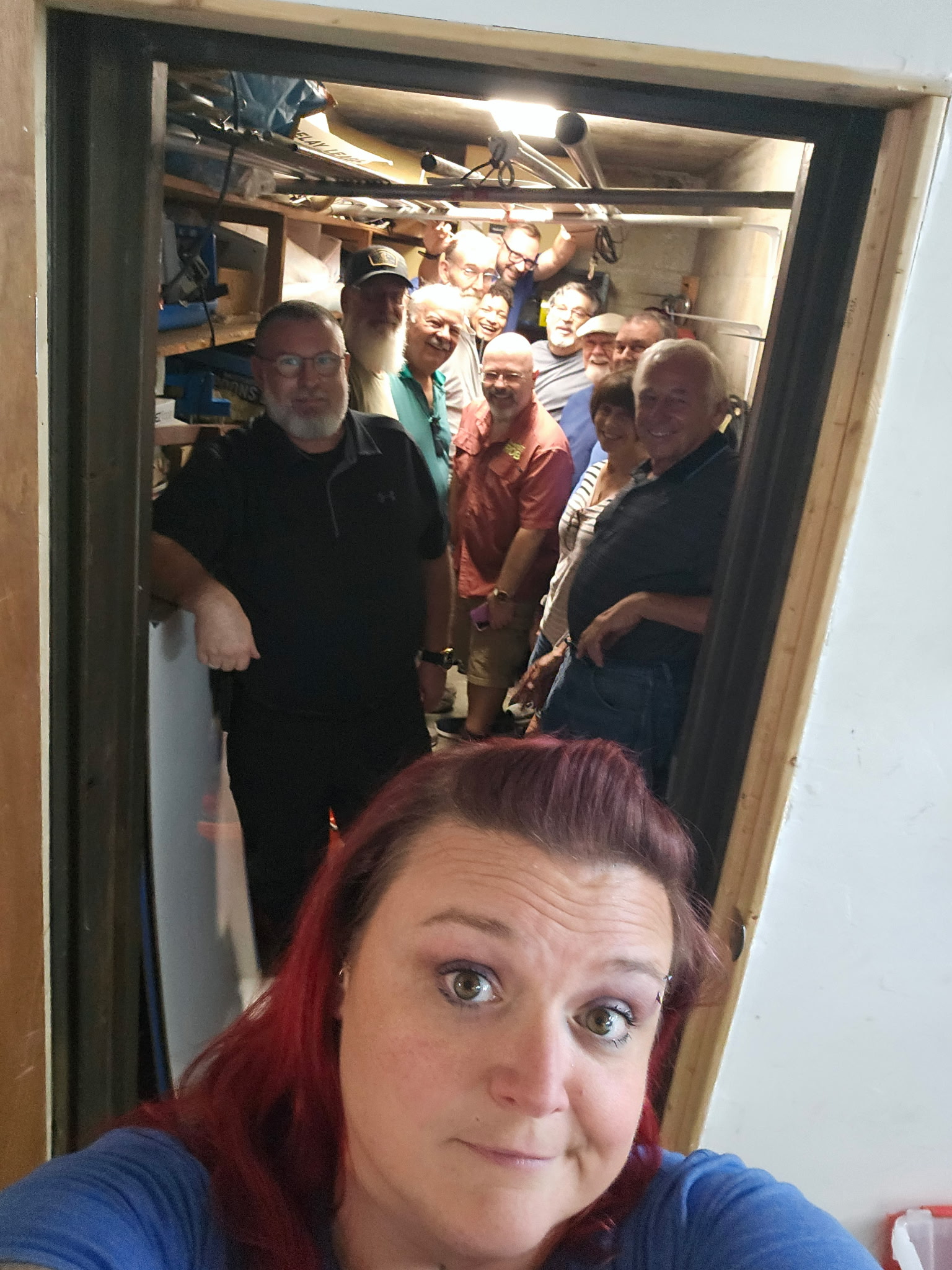
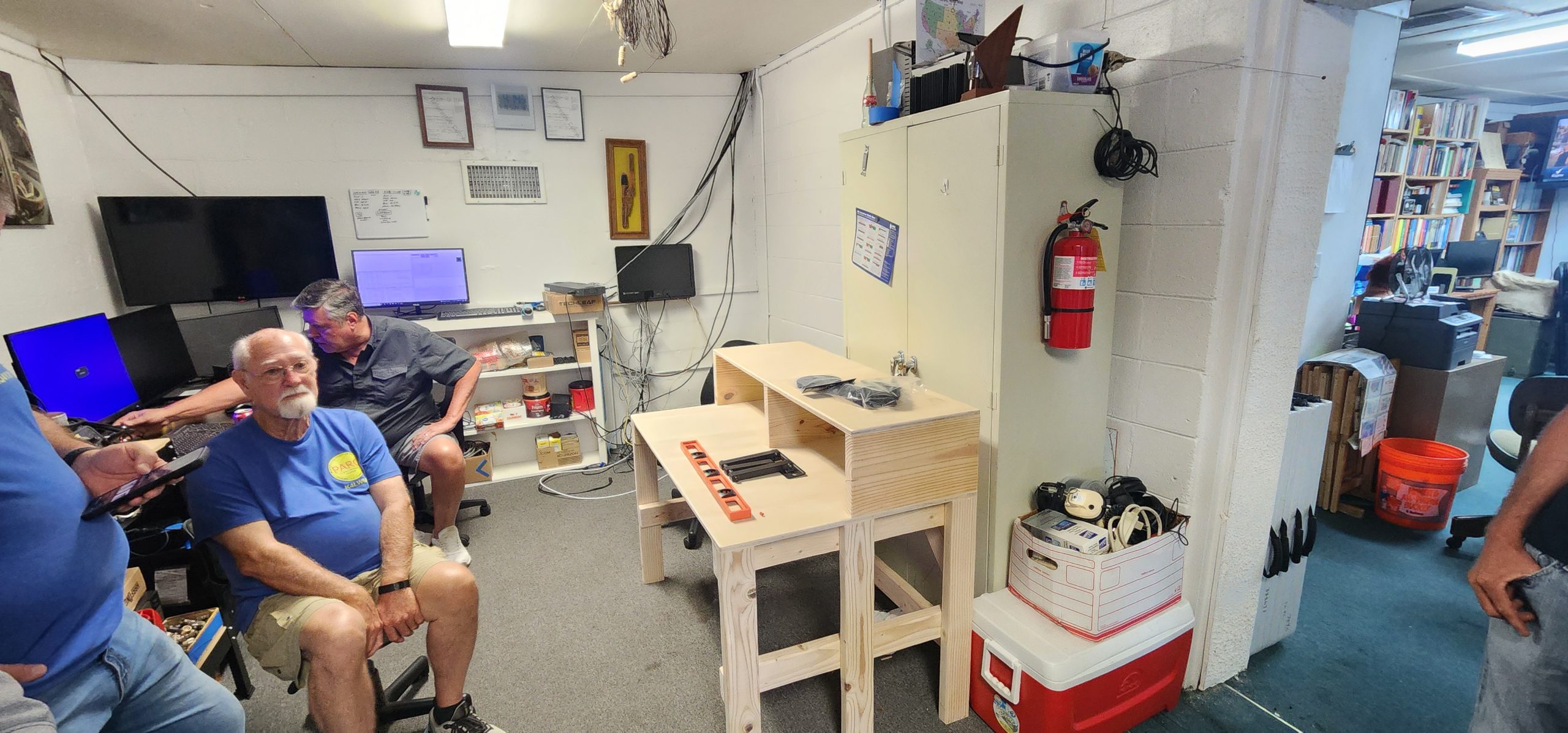
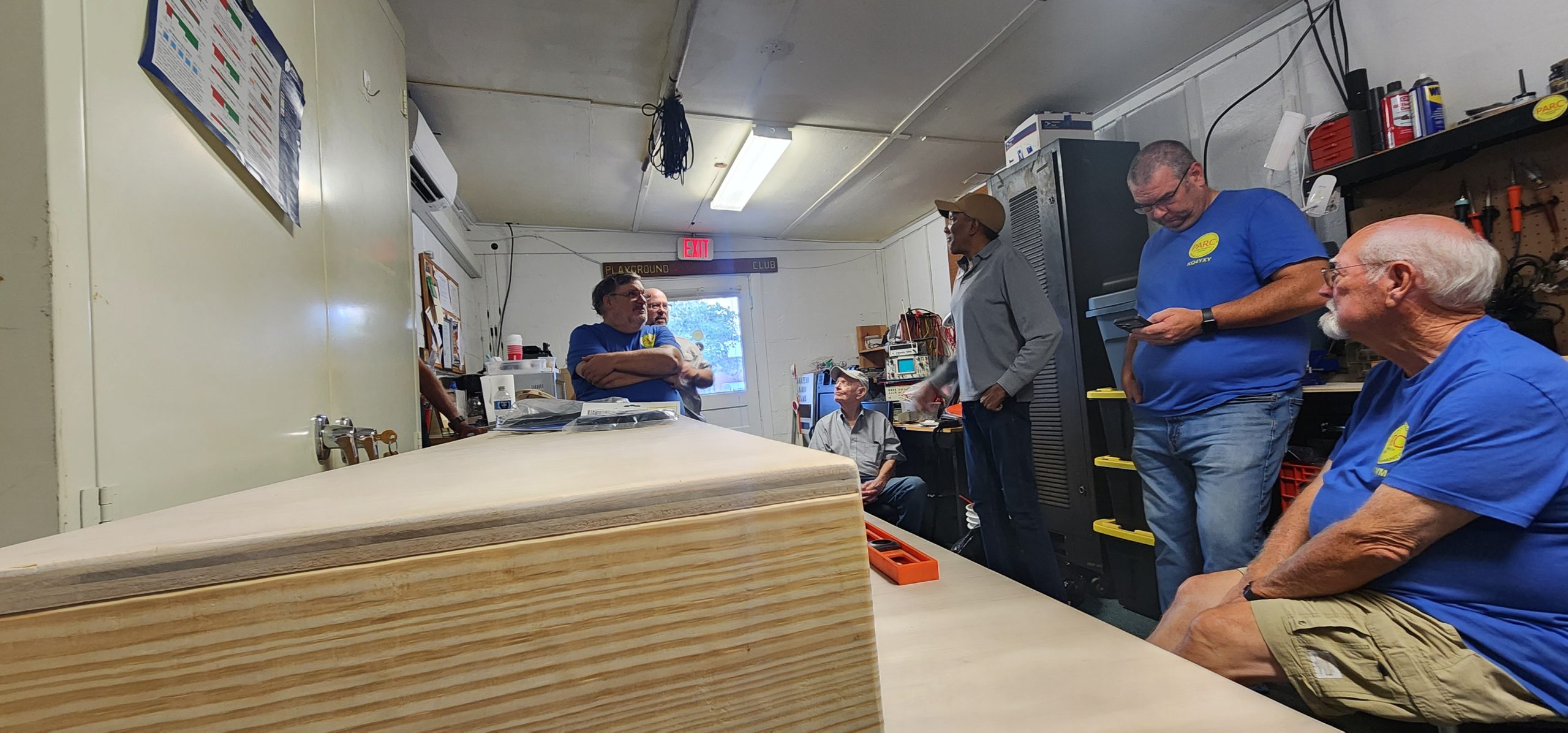
What a great Sunday Pile-Up at PARC! Projects abound from solar battery recharge kits, radio programming, power supply options, equipment recommendations, radio programming, system upgrades, and item sorting! The Playground Amateur Radio Club certainly dives in on full scope! If you’re planning on joining the ranks of a great Amateur Radio Club then Playground is the place to be with the experience to help you navigate the airwaves! Be sure to check our club calendar and participate so that you may catch the RF!

A Great Time at Mobile!

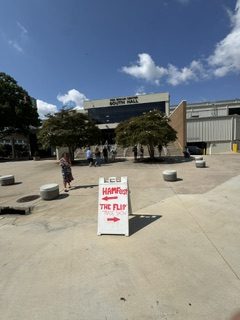
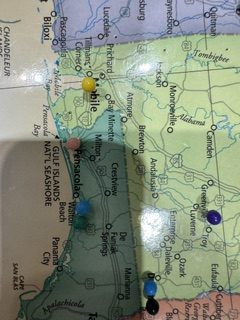
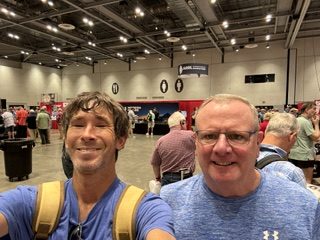
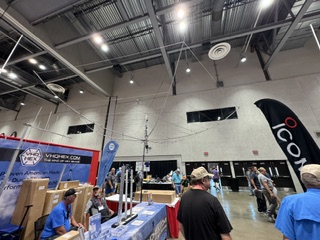
Some of Team PARC assembled to gather in Mobile at their Hamfest and boy howdy what a great time! We took time to sell, swap, trade, barter, see friends, make new ones, and experience the joy of our wonderful hobby! If you weren’t there, you missed out on a great time! We sure made the best of it and took it all in! Made a few stops and saw some cool stuff along the way as well! Be sure to join in with PARC as we continue to explore the world of Amateur Radio! Fo you want to k ow what’s next?! Go the the club calendar and see for yourself! 

Yard Sale Supporting FWB Jr Bombers

PARC joined up with the FWB Jr. Bombers Market and showed off what Amateur Radio is! We set up vhf/uhf/hf and demonstrated our capabilities!

“What are you working on?” From the Desk of K4LWM

A very common question at any of the Playground Amateur Radio Club meetings, pile-ups or importune events is “What are you working on?”

It seems to come from any member, because everyone is looking for something interesting, potentially for their next project. I have even asked that question, of other members, when I hear snippets of conversation that pique my interest.

In the past year I have been asked the question several times and have not really had a good project to talk about. Not because I have not been busy or not looking for things that I wanted to work on, but mainly because I have been listening and taking notes and investigating, that is if you consider watching YouTube videos investigating. Yes, I have been looking for what I want my HAM radio experience to be.

Let me digress, I have had my license for over 25 years, but I came from a club in Birmingham that was very active in the weather warning scene. The club (BARC) had networked repeaters that covered the entire five county area that made up the Birmingham metro area. Lots of members that were active on the VHF bands at all hours of the day and night. I was content to be just one of the members and because of a job that kept me mobile most of the time, I was one of the Ratchet Jaw operators you found on the bands during the normal work day.

In 2013 I purchased a home in FWB to serve as a vacation home with the intent to retire there or at least in the area in the future. While I was working on the house trying to get it ready for that retirement day, I monitored the bands but was very disappointed because of the lack of traffic. I did make a few contacts and enjoyed having breakfast with a few of the operators that I met on the local repeater. Those were few and far between because I was still traveling back and forth to Birmingham for work. Of course, the restaurant, Mother Earth, closed and I lost contact with the few HAMs that I knew from this area.

When I retired in 2017 and moved to FWB full time I had lost interest in Amateur Radio and to downsize I sold my tower and all most all of my gear. I thought this area was void of radio activity.  Unfortunately, I had just not met the right people.

All of that changed when I connected with Bill, KQ4ATC, which lead to an invite to PARC’s field day, where I meet several operators and had a very good time. That activity earned an invite to Tech Night at the PARC club house and then to membership and then to that question, What are you working on? I did not really have a project to talk about.

That led me to ask myself, What do I want my HAM experience to be?

I became an active participant in the club, attended tech night, the business meetings and the swampfest, along with other club activities. I found that my interest in Amateur Radio was renewed and I started looking for what I wanted to do to enjoy this hobby.

I dusted off the old Icom IC 7000, built a LiFePo4 battery box, purchased a wolf river coil vertical antenna and started making contacts on 20 meters (chasing POTA) something that I had never done in the past. That was fun but, hearing the other club members discuss the projects that they were working on still left me with a feeling that I was not really embracing the experience yet.

Other members were creating things with 3D printers, experimenting with an assortment of antenna, incorporating digital modes of operating and then trying to bring the information to the club members at tech night. Wow, what a varied assortment of activities they were involved in. I started making notes in my little black book. I made list of components that were used in the various projects, websites for sources of the components and/or YouTube videos describing similar projects.

I would take my list to the hamfests, tailgates or swap meets that I attended. I ordered torriods, enameled wire, printed project boxes and began to build transformers, balum, ununs and chokes. By collecting the various parts and pieces an idea of a project that would allow me to expand my radio experience formulated in my mind. I wanted to build an antenna that would allow operation on the low bands that would work within the confines of my lot size and the HOA restrictions.

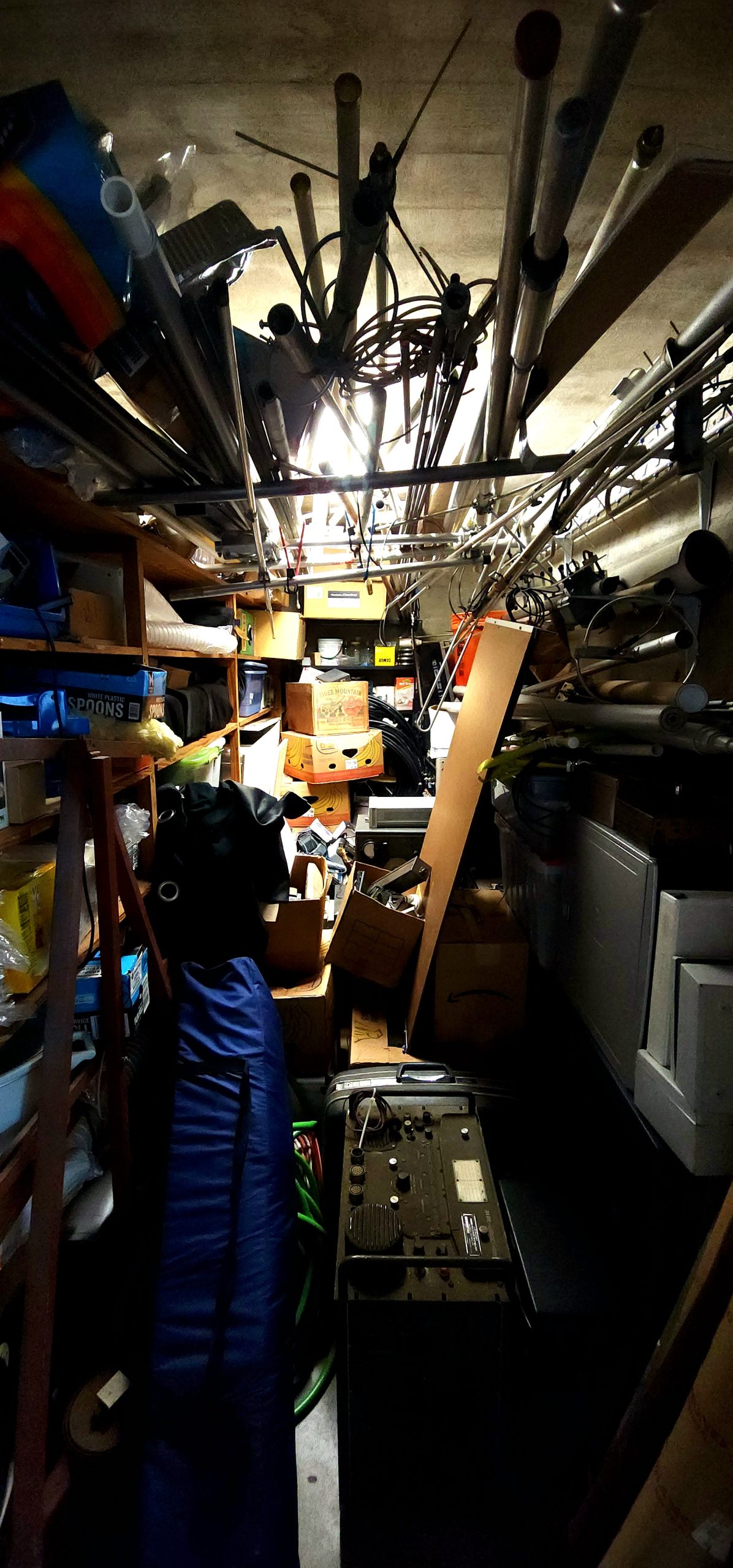
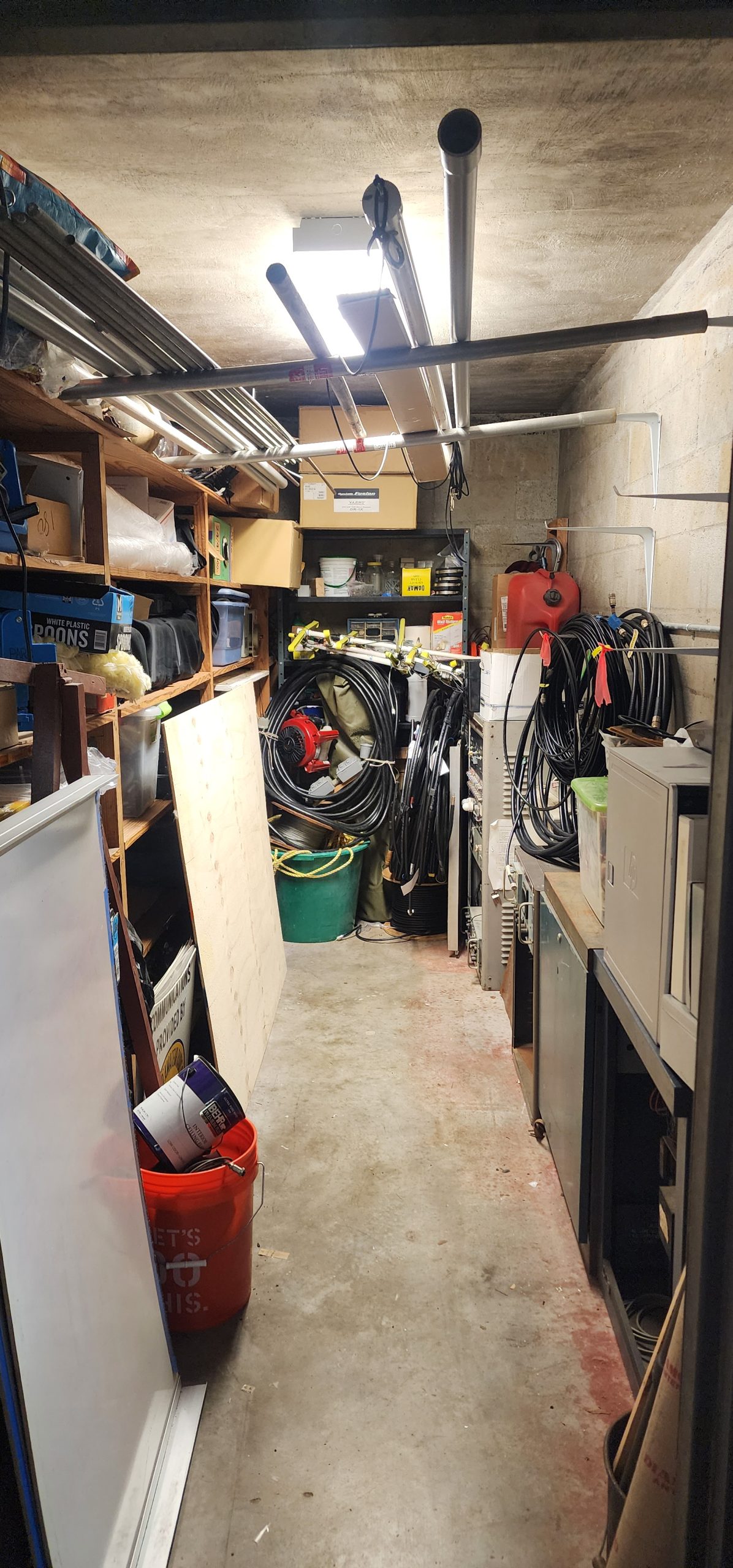
I assembled an antenna mast out of chain link fence gate post, used push-up antenna mast and 1” Lowe’s PVC pipe that combined to form a 30-foot base for an EFHW 40-10-meter antenna. This was installed in the back yard next to my storage shed. The 20-foot flag pole in the front yard anchored the other end of the 63.5-foot 18-gauge EFHW wire.  This arrangement did fit into the 38×150 foot lot size of my property and kept the antenna wire behind the front of the house.

The tuning process required raising and lowering the wire many times pulse adding a counterpoise and trying to compensate for the metal roof on the shed which is under the feed point of the antenna. Finally, after two days of tuning, an acceptable antenna SWR was achieved for the 40-10-meter bands and the IC 7000 was hooked to the coax and powered on. When the 40-meter band was selected the radio came alive with Net traffic at 7.185 LSB.

I was able to join the net and made 35 contacts on 40-meters, which I had never operated on before. Those contacts ranged from Wisconsin to Connecticut down the east coast to Virginia and even one in ST Augustine Florida, all within 20 minutes. I was operating mobile from a patio table on my deck, on an antenna that I built. This was quite an accomplishment for my first project build, made possible by the influence from the members of Playground Amateur Radio Club that renewed my interest in the core activities embraced by the HAM radio community, Experimentation and Implantation.

So, can I ask you, “What project are you working on?”

A few pics from the Pile-Up!

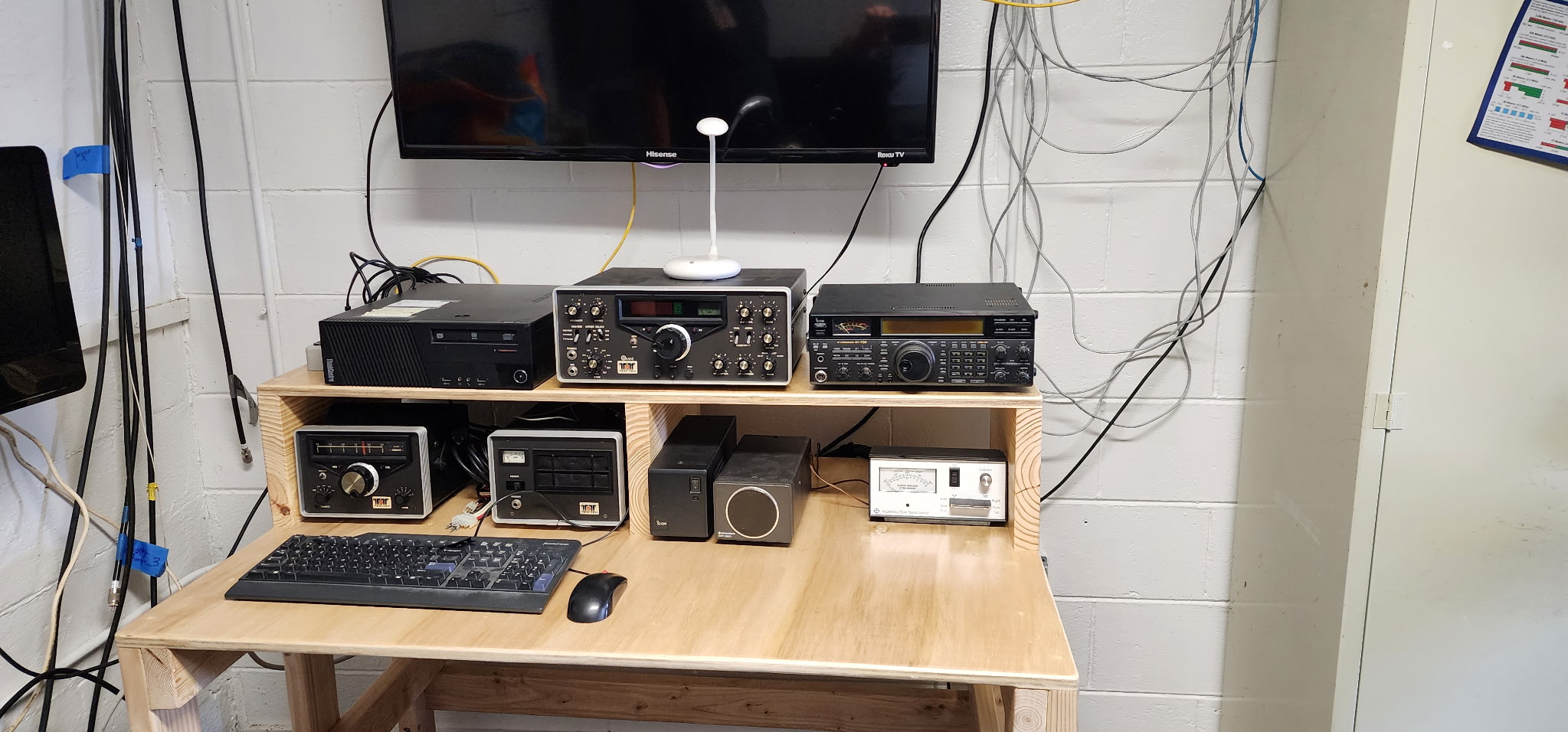
Our members are having a great time working on enhancements to each other’s skill sets! From teaching how to program and operate radios to operating WIRESX, and from preparation for hamfests to building all-star nodes. We even have team members working the club digital station and updating our QRZ page! We even had members making the famed PARC hamfest buttons! More projects that that occur on any given Sunday and if you’re not at the Pile-Up, you’re missing out!


N2XU Shows Off with Purpose!

At the Sunday Pile-Up, Tom, N2XU Showed off the Starlink mini! This useful tool comes in handy for reliable internet when conventional methods are down! Here’s how:
The Starlink Mini is the ideal, compact solution for internet access in a pinch, featuring a built-in router, low power consumption, and portability for rapid deployment in emergencies. It offers speeds over 200 Mbps, allowing for essential communication during grid failures. It can be powered by portable power stations or 12V DC, making it highly versatile for remote areas or outages.
Key Aspects of Using Starlink in a Pinch:
  • Portability & Setup: The Mini is designed to fit in a backpack and can be set up in minutes.
  • Power Options: While it comes with a 120V adapter, it supports 12V DC input, allowing it to run off portable power stations (e.g., Anker Solix) or vehicle power for long-term outages.
  • Emergency Reliability: Starlink has proved useful for maintaining internet access during natural disasters (like tornadoes) when cellular towers fail.
  • Performance: Capable of high-speed, low-latency internet (200+ Mbps) for browsing, streaming, and Wi-Fi calling.
  • Cost-Effective Option: The Mini allows access to cheaper service plans (e.g., $50/month) for sporadic, emergency, or remote use.
Limitations & Considerations:
  • Power Consumption: Although lower than standard kits, it still requires a consistent power source.
  • Physical Obstructions: Requires a clear view of the sky to function.
  • Alternative Devices: For true, remote, or wilderness emergencies (where power isn’t available), satellite messengers or PLBs are more suitable.
For a 3-day outage scenario, a portable power station like the Anker Solix 522 can keep the Mini running for roughly 9-10 hours, according to one user experience.

Page 1 of 5

Powered by WordPress & Theme by Anders Norén