PARC | Ham Radio

The Best Amateur Radio Club in Florida

220 MHZ, an Active, Underused Frequency!

Experimentation is a great thing in Amateur Radio! For instance; Operators utilize the 220 MHz band for weak signal experiments using SSB, CW, FT8, MSK144, and other WSJT-X modes, including meteor scatter contacts and grid chasing for VUCC awards!

The 220 MHz band is not dead, though it’s less popular and more sparsely used compared to the 2-meter and 70-centimeter amateur radio bands.

Current Use and Perception

  • The 220 MHz (1.25-meter) band is allocated and reserved for amateur radio use, particularly in North America.

  • While it has historically seen less commercial radio equipment and lower activity, many local ham clubs and operators do actively use the band, especially for FM repeaters and simplex operations.

  • There are still over 1,600 repeaters in the U.S. operating on 222 MHz, indicating a dedicated user base and regular activity in some regions.

Band Characteristics

  • The 220 MHz band features propagation characteristics that blend the advantages of both the 2-meter and 70-centimeter bands, allowing good range and relatively low noise environments.

  • Securing coordinated repeater frequencies on 220 MHz is often easier, with less crowding and competition, which makes it attractive for clubs and groups seeking reliable local communications.

Equipment and Activity

  • The limited availability of off-the-shelf commercial equipment has historically limited growth, but specialized and enthusiast-driven hardware continues to emerge, such as repeater systems and dedicated mobile or handheld transceivers.

  • Some regions may experience “quiet” bands, but this is often an opportunity for experimentation, private communication, or for groups hoping to avoid congestion present on other VHF/UHF bands.

Community Sentiment

  • Many operators see the band as underutilized rather than actually “dead” and encourage more experimentation and activity, suggesting that with increased use, interest in the band could easily grow again.

The 220 MHz band remains an active part of the amateur radio landscape, valued for its unique properties, dedicated repeaters, and as a less crowded alternative to other VHF and UHF bands.


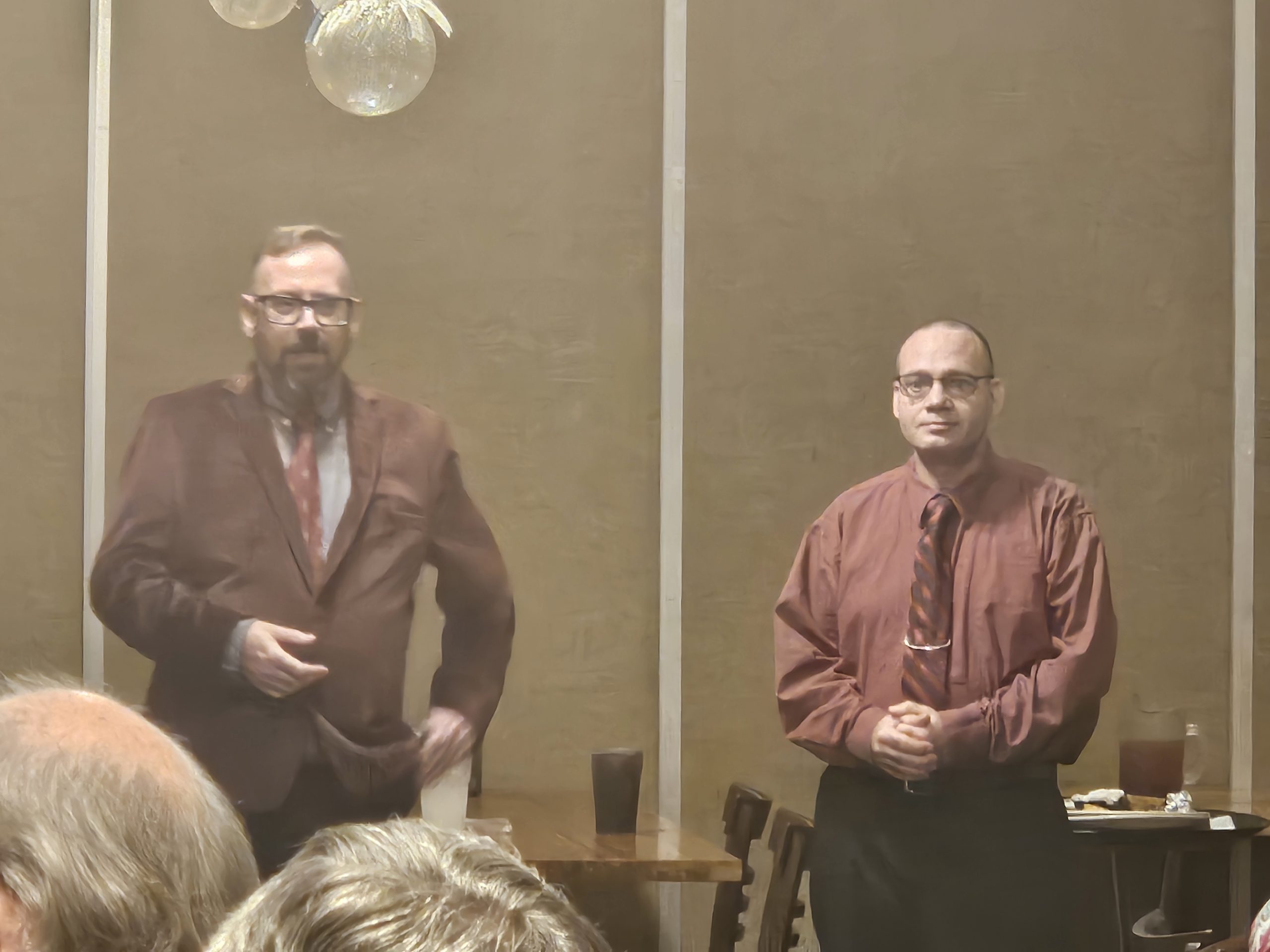
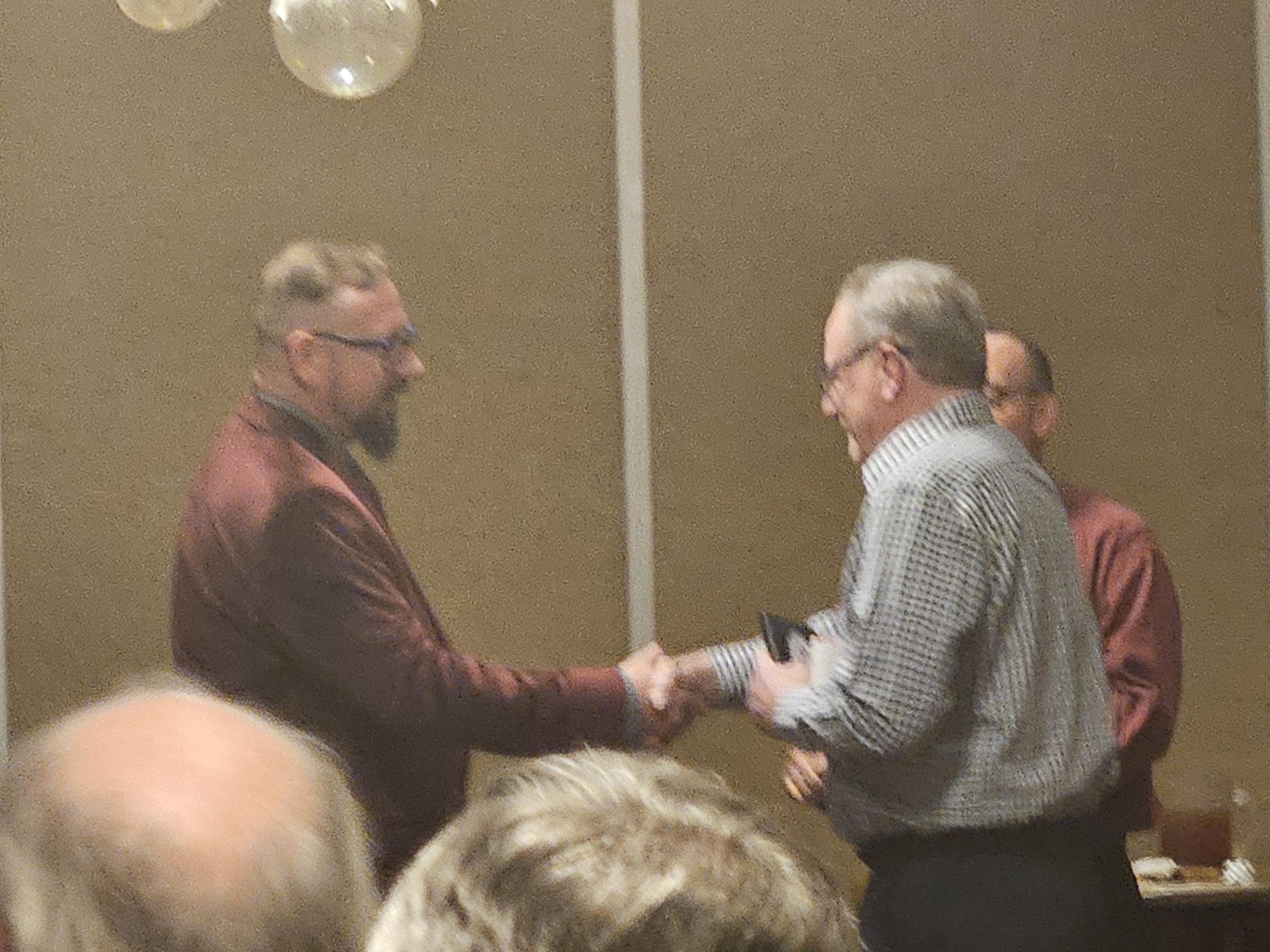
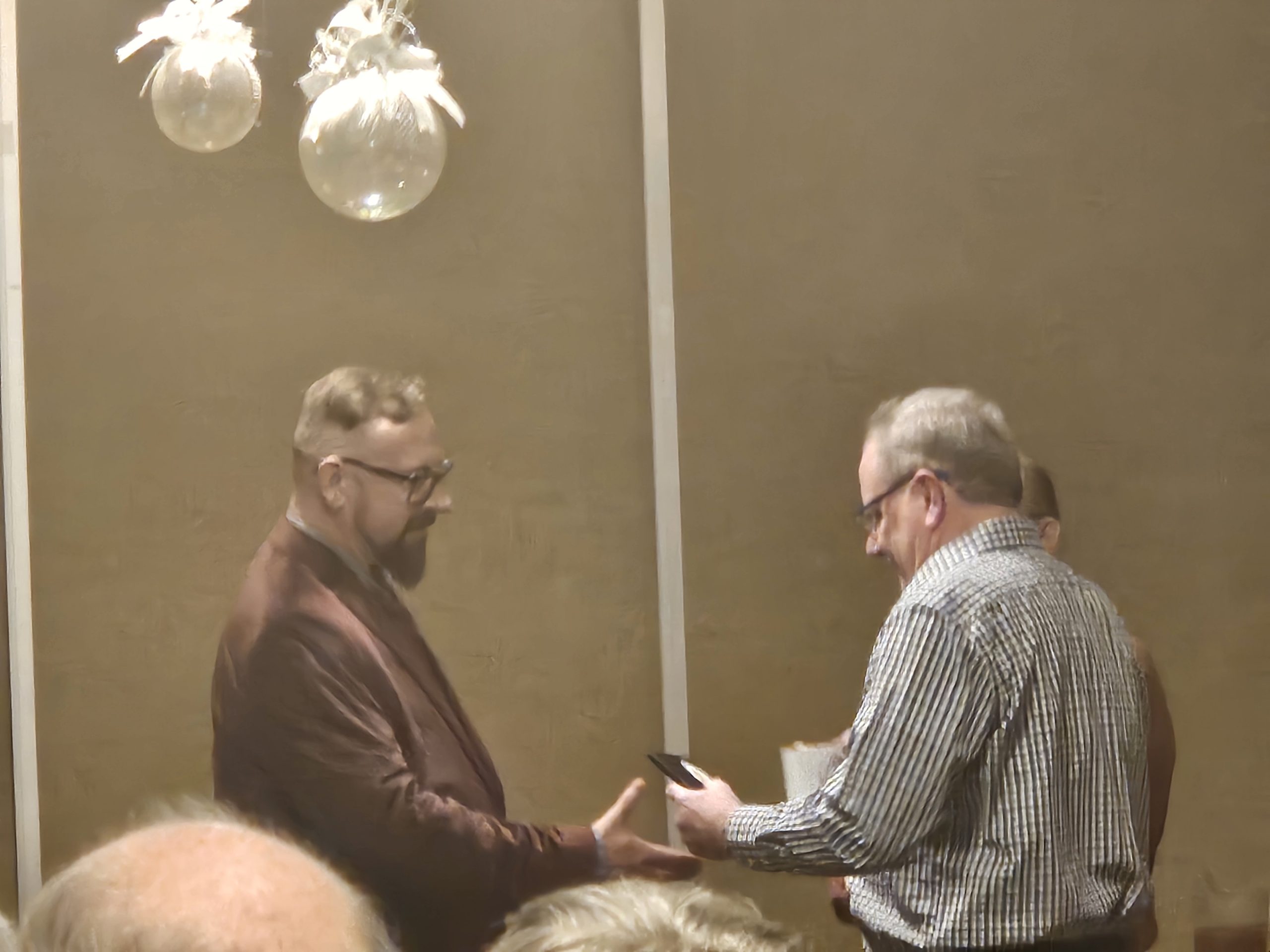
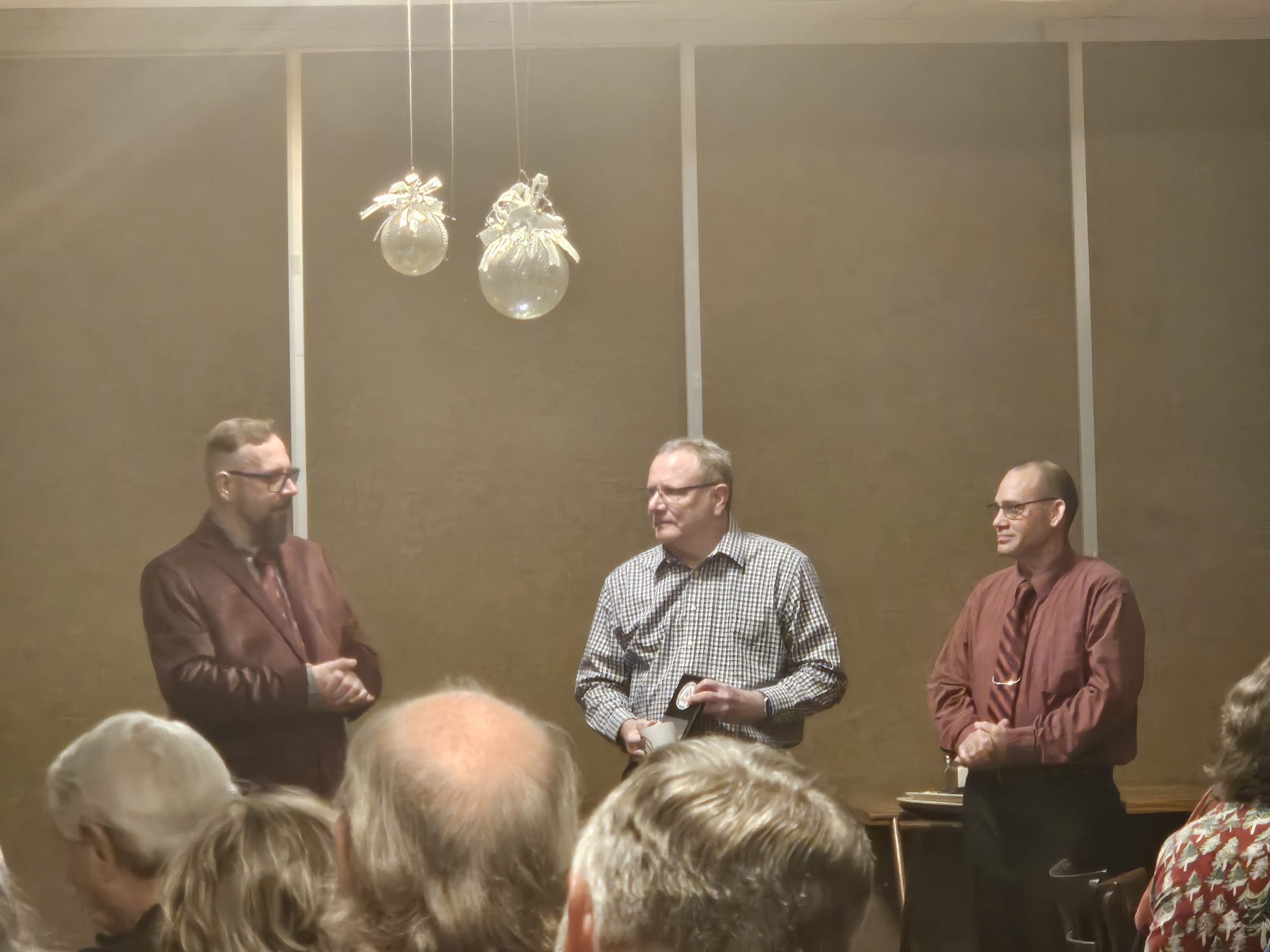
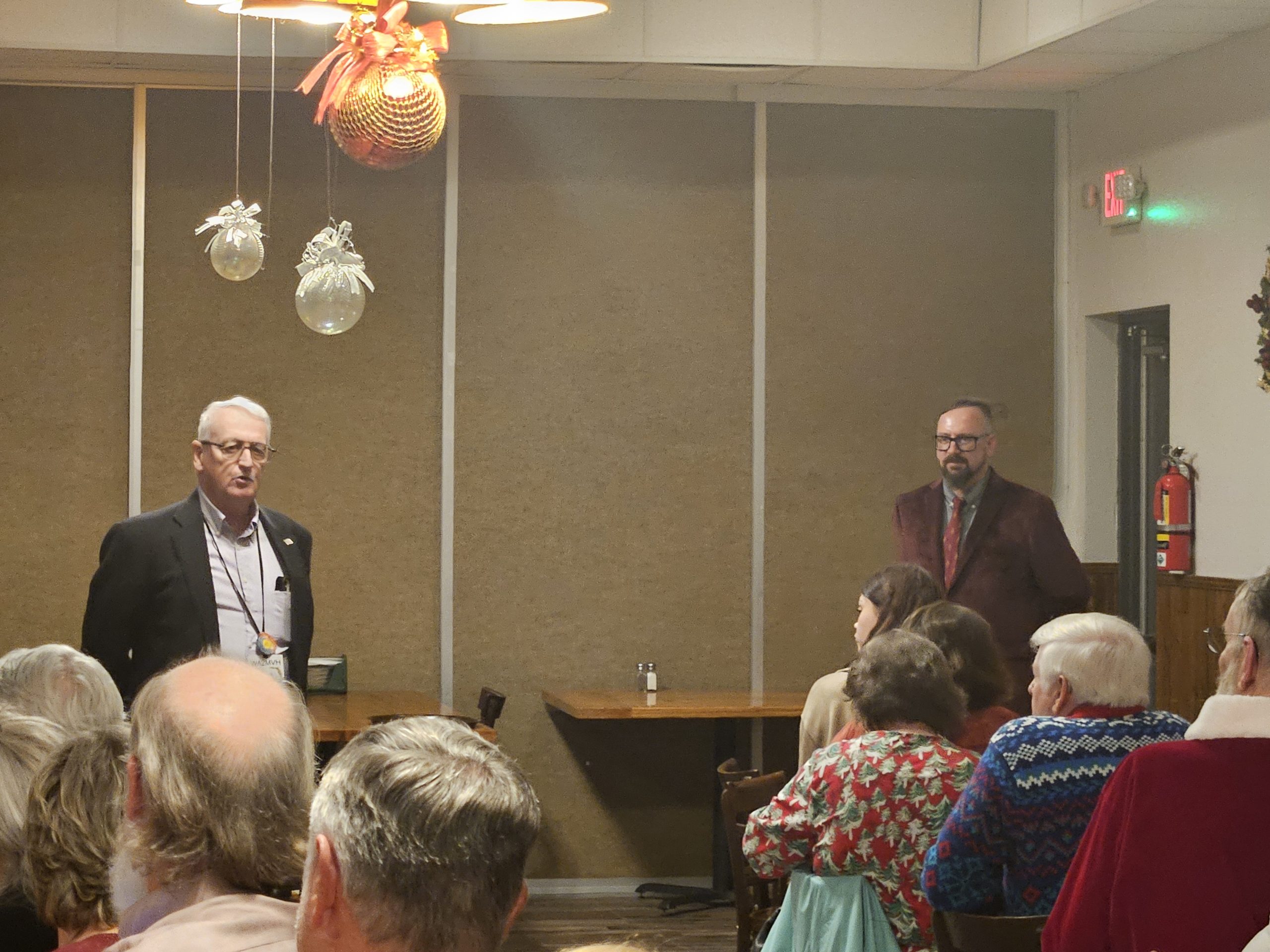
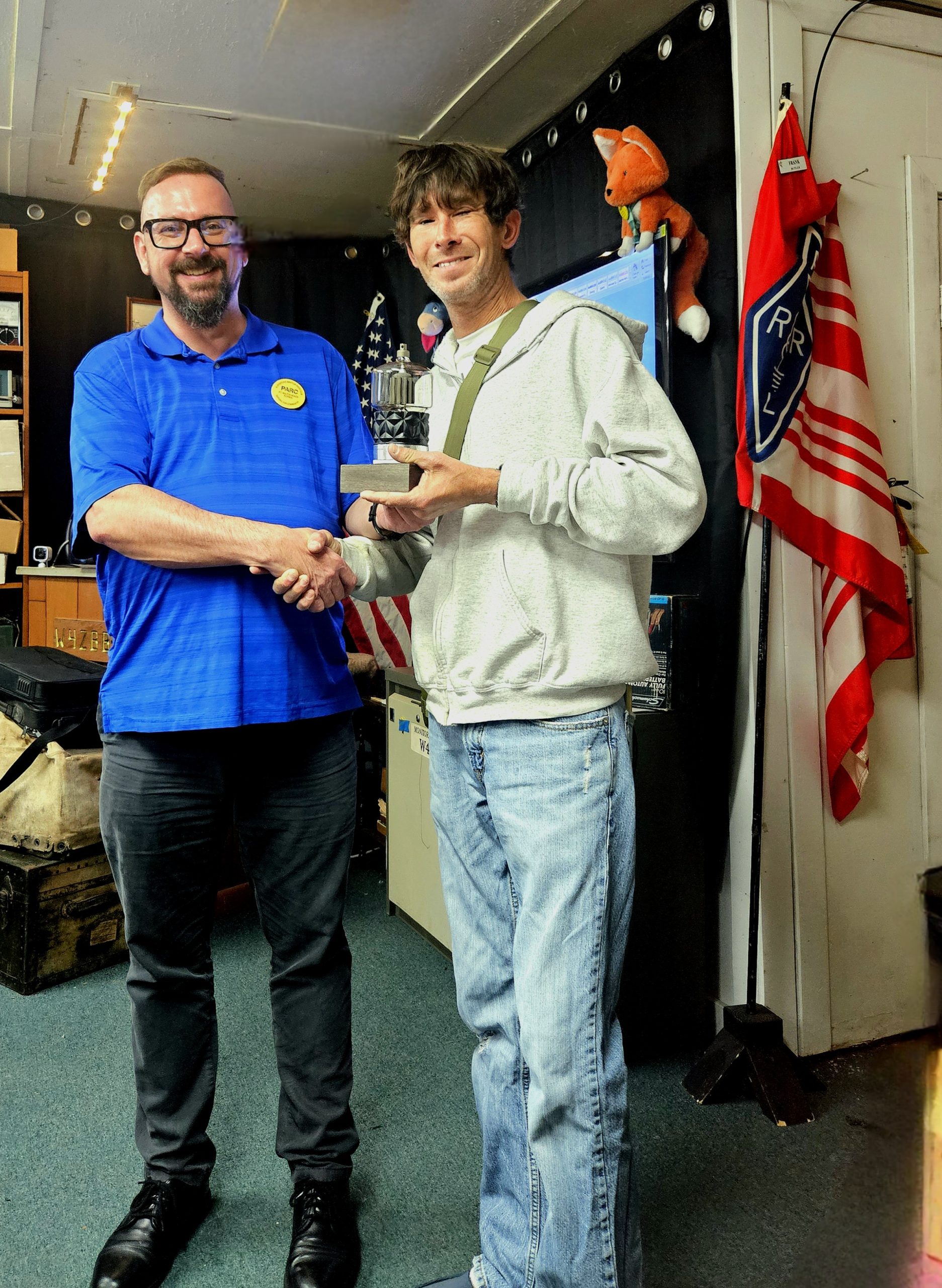
Congratulations to Dr. Fregger, KJ4ECP!

Dr. Fregger (KJ4ECP) of Family Eye Care recently announced his retirement! A congratulations is in order for him as he has been  benefactor of the Playground Amateur Radio Club for many years. He has served in multiple roles in the Executive and Administration of the Organization and contributed uncounted hours of community service to support Amateur Radio! Dr. Fregger was also a long time Treasurer of the Playground Amateur Radio Club and essential in keeping the organization going while being mindful enough to train and seek out a replacement after his need ot focus on his goals for his family and his future. He has always had a smile and a handshake for those that see him in person and over the air he has given kind words and wonderful advice!

Dr Fregger has traditionally been the VOICE at many of the Hamfests put on in Fort Walton Beach for many, many years and is a staple in our Amateur Radio Community!  Dr. Fregger loves the Beach! Dr. Fregger is not going away, he is starting his next chapter and we at the Playground Amateur Radio Club are proud to call him our friend! Be sure to offer him congratulations on his achievement and return that fabulous handshake and a smile which calms the mind and keys the mic!

CONGRATULATIONS DOC! 

PARC B Q Success!!!

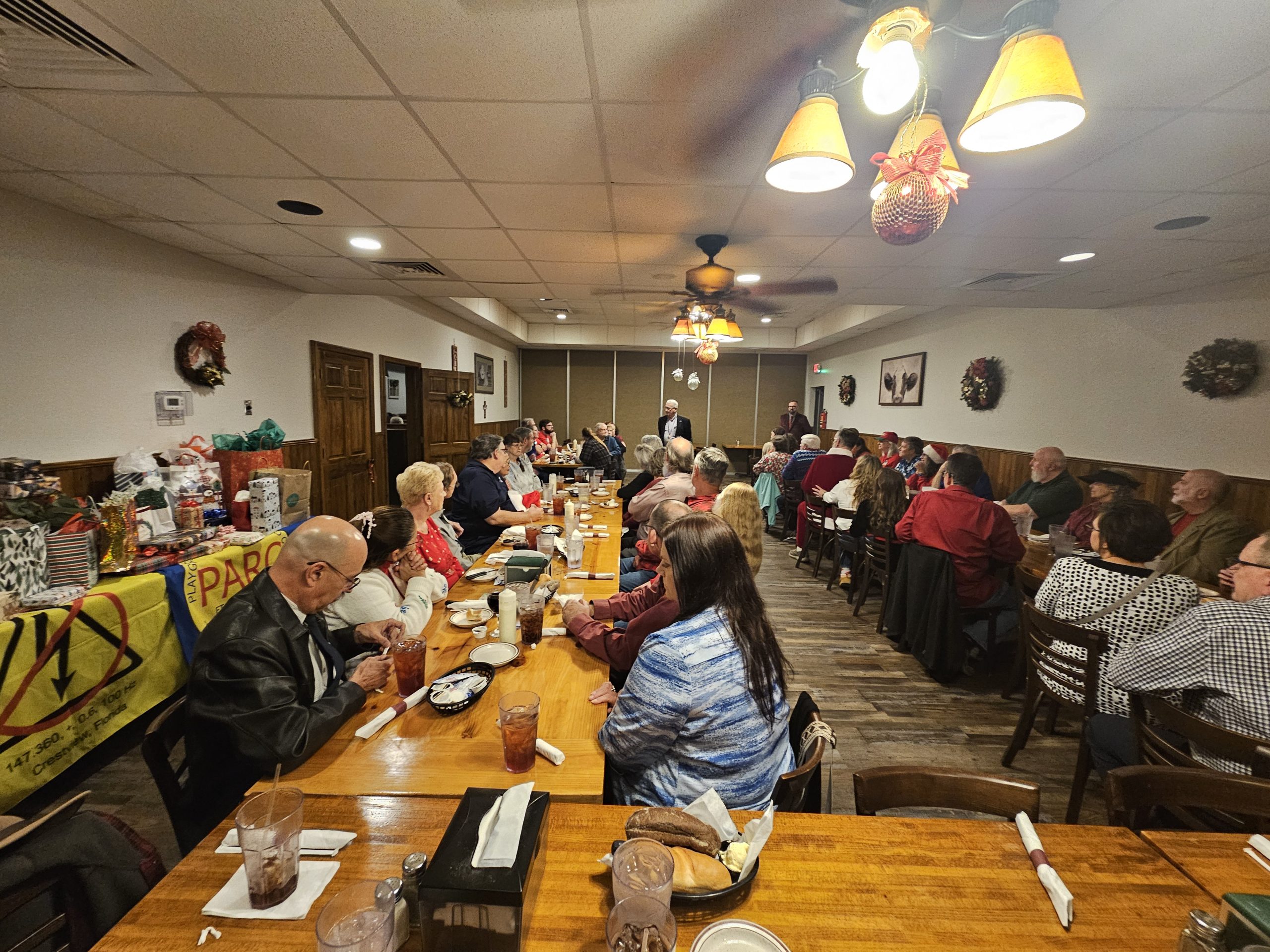
CQ! Thanks to all that came out to the PARC B Q, Amateur Radio Open House! What a great time and wow did we share the joy of worldwide communications demonstrating public service! Stay tuned as we embark into the next event! Until then, 73’s and stay safe!


How to Ham Radio! Or at least Get started!

What do you expect out of Ham Radio! Why should you join?! Listen, this hobby is a passion. You get to meet great people, share in a community, support your local area, and the nest part, it is just plain fun! You can expect to meet a diverse global community of like-minded individuals, forming lasting friendships with people from all walks of life, cultures, and continents, often connecting through shared interests in technology and communication. This sense of camaraderie is a core part of the hobby, where hams often gather on regular “nets” to exchange information, share stories, and support one another!

  • Choose Your License Level

    • Most beginners start with the Technician license, which gives access to local and some regional frequencies.

    • As you advance, you may pursue the General and Amateur Extra licenses, each granting more privileges.

  • Study for the Exam

    • Use online courses, books, or video tutorials that cover radio theory, regulations, and operating practices.

    • The Technician exam features 35 multiple-choice questions—practice exams and quizzes help reinforce your learning.

    • All test questions and answers are publicly available for efficient study and memorization.

  • Register and Take the Exam

    • You must register for an FCC Registration Number (FRN) online.

    • Exams are administered in-person by local ham clubs or remotely online through accredited coordinators.

    • Upon passing, pay a nominal FCC licensing fee (currently $35 in the US).

  • Get Your License and Call Sign

    • Once the FCC processes your application (often within a day), you’ll receive your official call sign and can begin transmitting legally.

After Licensing

  • Purchase a handheld radio (such as a Baofeng UV-5R or other entry-level models).

  • Join local ham radio clubs for advice, networking, and support.

  • Explore local repeaters, emergency communications, and hobby activities like fox hunts, contests, and experimentation.

Getting into ham radio is an accessible process for beginners: choose a license, study, pass the exam, and start transmitting with your new FCC-issued call sign.

FOX HUNT! // PARC B Q!! // OPEN HOUSE!!!

The time is nigh! The details are in!! Are YOU ready to Hunt the hidden FOX Transmitter?!!

The Rules: 

You can start at the Clubhouse at 1000 on Sunday Aug 31st 2025! 17 First St SE Fort Walton Beach Florida

You can also start from any location you desire!

You must obey traffic laws. Have fun but please be safe.

You can use any radio and antenna set up you want!

You DO NOT need to be an Amateur Radio Operator to hunt the FOX!

The FOX will be hidden in a public location in the city of Fort Walton Beach Florida only.

The Details: 

The FOX will be on 146.565 Megahertz simplex. That means no offset, no shift, no tone. 

The FOX will transmit from 1000 to 1200 only. 

Teams are encouraged for triangulation but not mandatory.

Following the fox hunt, the Playground Amateur Radio Club will host a BBQ with an Open House! This starts at 1200 pm and goes until 500  pm. Food and Drink will be available for $5.00 /plate. Cash is King. Donations are also greatly appreciated!

All times are in Central Time.


POTA Idea? But do you POTA? Here is the Way!


So you want to have Parks on the Air (POTA). What is stopping you from organizing a POTA or similar event? Are you reliant on your Club or Organization to take your idea and tell you what to do, when to show up, and where to be? Do you only want to participate with others in an officially organized fashion? Are you not comfortable with your skillset to understand the operational requirements? Do you not have the equipment?  Do you not understand the logging process? Have you visited the online resources to better understand what you are thinking about? Are you attempting to involve your organization as a positive influence and enhance teamwork and fellowship? Do you know where the POTA spots in your area are?


What seems to be missing as evident by the litany of questions is clear action after a statement of desire has been made. Are you sitting idly by with wants and wishes but not acting and in wait for “someone else” to take the reins?


Have no fear. The POTA Guide is here to not only help you understand what you will need, where you can go, how to log, but also how to inspire and set up an event for a single or multiple operators. One of the fallacies of group participation is that there must be an office or official in charge for an event to represent a Club or Organization. While that may be true for the use of the call sign with the permission of the call sign trustee, nothing is further from the truth when it comes to running an event in single or group mode. I have set up multiple events long before I assumed any roles in the administration of a Club or Organization. I was for all intents and purposes, just a member. But that does not mean I did not have a voice or a lack of motivation. Leadership comes from personal traits, learned skills, and a choice to guide and inspire others. You have already achieved so much by just volunteering your time, learning a skill, becoming a licensed operator, and many other untold successes. Why not act on them and take ownership of your yearning for communication?!


As with everything in Amateur Radio, reading is a large part of understanding and operation. Mike Case, W8MSC spent significant time compiling invaluable information for the Parks on the Air Activator Guide. Through his research and deep dives into POTA topics, he created a straightforward and easy to understand operating instruction for all to view. On the same website are other guides such as the Parks on the Air Club Activation Guide. Further instructions include how to log, how to submit logs, what the rules are, a park locator and more.


So, whether you are operating from anywhere as a hunter or going out and being an activator, the guides on the Parks on the Air website will guide you and your teams to surefire success! Be sure to read the items below, visit the website, take the lead, and pave the way for fun and engagement with all! So come along on the journey, grab cup of joe or whatever tickles your fancy, settle in and let us learn together to continue to advance the hobby, recruit, and retain others. Share the Joy and POTA this way!


The POTA Activator Guide:

https://docs.pota.app/docs/activator_reference/activator_guide-english.html


The POTA Club Activation Guide:

https://docs.pota.app/docs/activator_reference/activator_guide_clubs.html


Park List:

https://pota.app/#/parklist


POTA Home page:

https://pota.app/#/

Free online Technician License radio class!

Free online Technician License radio class.

Sat/Sun of Labor Day weekend.

(August 30-31, 2025)

REGISTER VIA EMAIL ONLY (ars.n7ji@gmail.com).

Thanks!


OPEN HOUSE, AUG 31, 2025, NOON to FIVE! Fox Hunt at 1000 am!

Experience the World of Ham Radio at our Open House!
Join the Playground Amateur Radio Club for an exciting Amateur Radio Open House and explore the captivating world of ham radio!
What is Amateur Radio?
Amateur radio, also known as ham radio, is a unique hobby and service that allows individuals to communicate across town or around the globe using radio waves. It’s a fantastic way to learn about electronics, physics, meteorology, and other scientific disciplines.
What to Expect at the Open House
Whether you’re curious about getting involved or already licensed, our Open House is the perfect opportunity to:
  • See live demonstrations: Witness hams in action making contacts locally and potentially internationally.
  • Learn about the technology: Explore the different types of equipment, antennas, and modes used in amateur radio.
  • Connect with local hams: Meet experienced operators who are eager to share their knowledge and experiences.
  • Discover emergency communications: Learn about the vital role ham radio plays in disaster relief when other communication systems fail.
  • Get started with licensing: Find out how to obtain your ham radio license and explore the different license classes.
  • Hands-on activities: Depending on the club, you might be able to try your hand at operating a radio or building a simple antenna.
Why Join the Amateur Radio Community?
  • Lifelong learning: Continuously expand your knowledge of radio technology, operating practices, and more.
  • Community and camaraderie: Connect with a supportive and welcoming community of enthusiasts worldwide.
  • Emergency preparedness: Be ready to provide vital communication support in times of need.
  • Experimentation and innovation: Amateur radio is a platform for exploring new technologies and building your own equipment.
Don’t miss out on this chance to embark on an exciting and rewarding journey!

SURPRISE!!! There will be a FOX hunt from 1000 – 1200 starting from the clubhouse and hunting in the City Limits of Fort Walton Beach! 

Fostering a Positive Environment in Amateur Radio

Amateur Radio is a hobby enjoyed by enthusiasts worldwide. While its technical aspects and emergency communication capabilities are important, the positivity within the amateur radio community plays a vital role in its growth and sustainability. Building a welcoming and inclusive environment encourages new members, fosters learning, and allows individuals to thrive within the hobby.

The power of positive interactions

Amateur radio thrives on connection and camaraderie. Positive interactions, whether on-air or in person at clubs and events, contribute significantly to a vibrant community. Hams are known for their willingness to share their knowledge and expertise with newcomers, offering guidance on everything from antenna construction to operating techniques. This spirit of helpfulness and shared learning creates a supportive environment where operators feel comfortable exploring new aspects of the hobby and developing their skills.

Encouraging new operators and promoting diversity

To ensure the hobby’s future, it’s essential to attract and retain new operators. This involves actively promoting inclusivity and making all newcomers feel welcome, regardless of their background or operating style. The amateur radio community is actively working on creating a more diverse and inclusive space that young hams are eager to make the community a welcoming and supportive place for everyone they encounter. Efforts to engage with young audiences through school presentations, radio merit badge events for scouts, and youth-focused contests can inspire the next generation of operators.

Amateur radio and personal growth

Beyond the technical aspects, amateur radio offers numerous opportunities for personal growth and development. It can build self-confidence, facilitate the learning of new skills, and introduce individuals to a worldwide community. Passing the licensing exam is a significant boost of confidence, and that on-air competence builds over time. Some even find the hobby to be therapeutic, reducing isolation and aiding in mental health recovery.

Giving back to the community

Amateur radio operators often dedicate their time and skills to community service, particularly in emergency communications. When traditional communication channels fail during disasters, amateur radio provides a reliable lifeline for coordinating resources and relaying vital information. This spirit of public service fosters a sense of purpose and strengthens the community bonds within amateur radio.

Fostering a positive environment in amateur radio goes beyond just technical proficiency. It’s about building strong connections, promoting inclusivity, encouraging learning, and inspiring a new generation of operators to embrace the rewarding world of ham radio. By focusing on these aspects, the amateur radio community can continue to grow, evolve, and remain a valuable resource for emergency communications and personal enrichment.

W4RH, Remembering a Legacy

All,

Please respect the families right to privacy.

I have been asked to inform you that long time Amateur Radio Operator Frank Butler is now a Silent Key at the age of 100.

W4RH was and remains a staple in the community. He was a benefactor of many organizations, institutions, and community partners. Franks legacy, honored as Ham of the Century last year, stands to showcase that being a club member, an ARRL Official, participating in the community, serving in official organizations, and being a sound voice of reason embodies the mission of Amateur Radio and beyond.

Please take a moment to reflect on your interactions with Frank. He will surely be missed.

73’s Frank, from your entire Amateur Radio Family.


Page 8 of 19

Powered by WordPress & Theme by Anders Norén