The Best Amateur Radio Club in Florida

Author: DJ Stewart Page 7 of 18

POTA Idea? But do you POTA? Here is the Way!


So you want to have Parks on the Air (POTA). What is stopping you from organizing a POTA or similar event? Are you reliant on your Club or Organization to take your idea and tell you what to do, when to show up, and where to be? Do you only want to participate with others in an officially organized fashion? Are you not comfortable with your skillset to understand the operational requirements? Do you not have the equipment?  Do you not understand the logging process? Have you visited the online resources to better understand what you are thinking about? Are you attempting to involve your organization as a positive influence and enhance teamwork and fellowship? Do you know where the POTA spots in your area are?


What seems to be missing as evident by the litany of questions is clear action after a statement of desire has been made. Are you sitting idly by with wants and wishes but not acting and in wait for “someone else” to take the reins?


Have no fear. The POTA Guide is here to not only help you understand what you will need, where you can go, how to log, but also how to inspire and set up an event for a single or multiple operators. One of the fallacies of group participation is that there must be an office or official in charge for an event to represent a Club or Organization. While that may be true for the use of the call sign with the permission of the call sign trustee, nothing is further from the truth when it comes to running an event in single or group mode. I have set up multiple events long before I assumed any roles in the administration of a Club or Organization. I was for all intents and purposes, just a member. But that does not mean I did not have a voice or a lack of motivation. Leadership comes from personal traits, learned skills, and a choice to guide and inspire others. You have already achieved so much by just volunteering your time, learning a skill, becoming a licensed operator, and many other untold successes. Why not act on them and take ownership of your yearning for communication?!


As with everything in Amateur Radio, reading is a large part of understanding and operation. Mike Case, W8MSC spent significant time compiling invaluable information for the Parks on the Air Activator Guide. Through his research and deep dives into POTA topics, he created a straightforward and easy to understand operating instruction for all to view. On the same website are other guides such as the Parks on the Air Club Activation Guide. Further instructions include how to log, how to submit logs, what the rules are, a park locator and more.


So, whether you are operating from anywhere as a hunter or going out and being an activator, the guides on the Parks on the Air website will guide you and your teams to surefire success! Be sure to read the items below, visit the website, take the lead, and pave the way for fun and engagement with all! So come along on the journey, grab cup of joe or whatever tickles your fancy, settle in and let us learn together to continue to advance the hobby, recruit, and retain others. Share the Joy and POTA this way!


The POTA Activator Guide:

https://docs.pota.app/docs/activator_reference/activator_guide-english.html


The POTA Club Activation Guide:

https://docs.pota.app/docs/activator_reference/activator_guide_clubs.html


Park List:

https://pota.app/#/parklist


POTA Home page:

https://pota.app/#/

Free online Technician License radio class!

Free online Technician License radio class.

Sat/Sun of Labor Day weekend.

(August 30-31, 2025)

REGISTER VIA EMAIL ONLY (ars.n7ji@gmail.com).

Thanks!


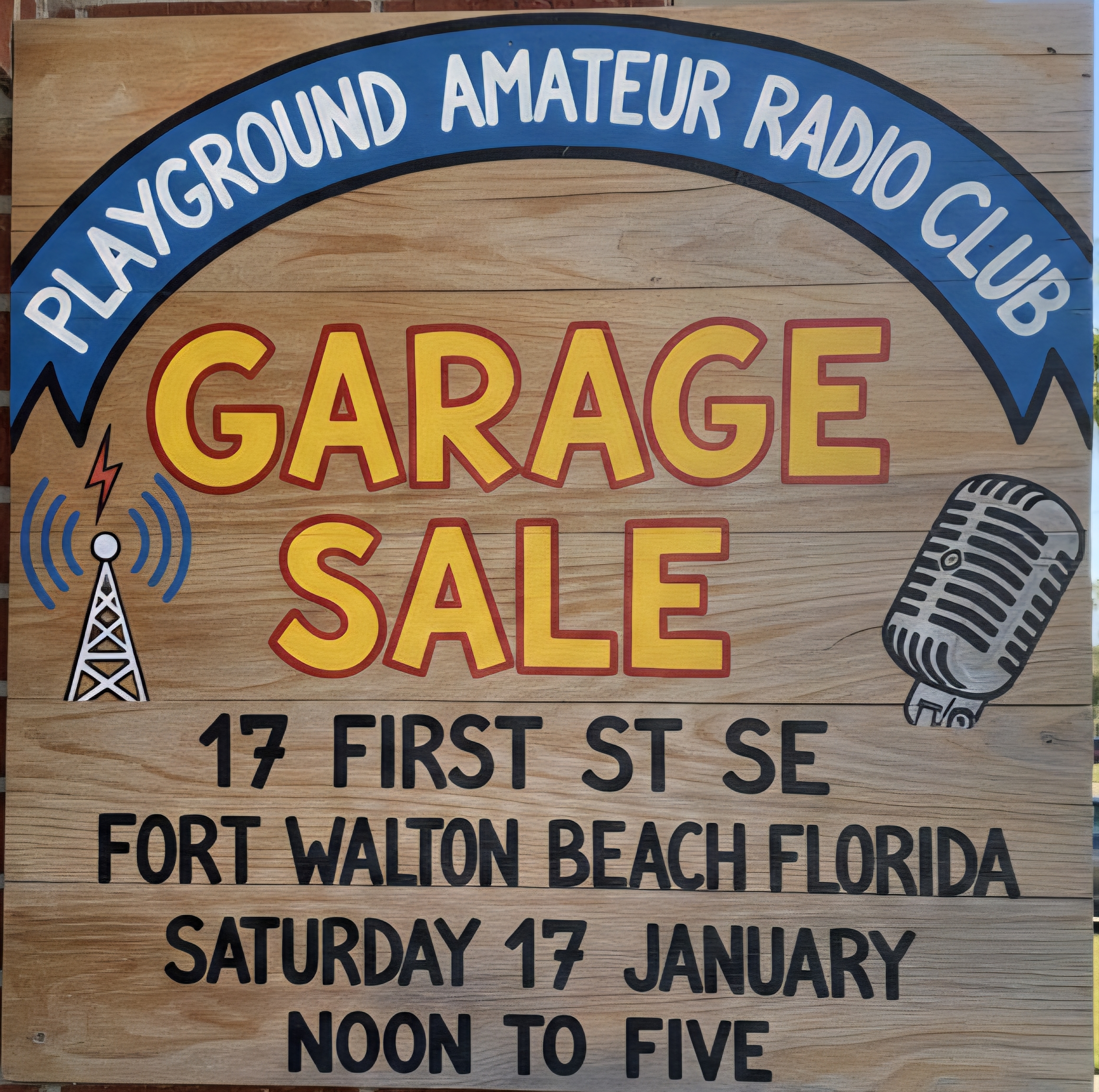
OPEN HOUSE, AUG 31, 2025, NOON to FIVE! Fox Hunt at 1000 am!

Experience the World of Ham Radio at our Open House!
Join the Playground Amateur Radio Club for an exciting Amateur Radio Open House and explore the captivating world of ham radio!
What is Amateur Radio?
Amateur radio, also known as ham radio, is a unique hobby and service that allows individuals to communicate across town or around the globe using radio waves. It’s a fantastic way to learn about electronics, physics, meteorology, and other scientific disciplines.
What to Expect at the Open House
Whether you’re curious about getting involved or already licensed, our Open House is the perfect opportunity to:
  • See live demonstrations: Witness hams in action making contacts locally and potentially internationally.
  • Learn about the technology: Explore the different types of equipment, antennas, and modes used in amateur radio.
  • Connect with local hams: Meet experienced operators who are eager to share their knowledge and experiences.
  • Discover emergency communications: Learn about the vital role ham radio plays in disaster relief when other communication systems fail.
  • Get started with licensing: Find out how to obtain your ham radio license and explore the different license classes.
  • Hands-on activities: Depending on the club, you might be able to try your hand at operating a radio or building a simple antenna.
Why Join the Amateur Radio Community?
  • Lifelong learning: Continuously expand your knowledge of radio technology, operating practices, and more.
  • Community and camaraderie: Connect with a supportive and welcoming community of enthusiasts worldwide.
  • Emergency preparedness: Be ready to provide vital communication support in times of need.
  • Experimentation and innovation: Amateur radio is a platform for exploring new technologies and building your own equipment.
Don’t miss out on this chance to embark on an exciting and rewarding journey!

SURPRISE!!! There will be a FOX hunt from 1000 – 1200 starting from the clubhouse and hunting in the City Limits of Fort Walton Beach! 

Fostering a Positive Environment in Amateur Radio

Amateur Radio is a hobby enjoyed by enthusiasts worldwide. While its technical aspects and emergency communication capabilities are important, the positivity within the amateur radio community plays a vital role in its growth and sustainability. Building a welcoming and inclusive environment encourages new members, fosters learning, and allows individuals to thrive within the hobby.

The power of positive interactions

Amateur radio thrives on connection and camaraderie. Positive interactions, whether on-air or in person at clubs and events, contribute significantly to a vibrant community. Hams are known for their willingness to share their knowledge and expertise with newcomers, offering guidance on everything from antenna construction to operating techniques. This spirit of helpfulness and shared learning creates a supportive environment where operators feel comfortable exploring new aspects of the hobby and developing their skills.

Encouraging new operators and promoting diversity

To ensure the hobby’s future, it’s essential to attract and retain new operators. This involves actively promoting inclusivity and making all newcomers feel welcome, regardless of their background or operating style. The amateur radio community is actively working on creating a more diverse and inclusive space that young hams are eager to make the community a welcoming and supportive place for everyone they encounter. Efforts to engage with young audiences through school presentations, radio merit badge events for scouts, and youth-focused contests can inspire the next generation of operators.

Amateur radio and personal growth

Beyond the technical aspects, amateur radio offers numerous opportunities for personal growth and development. It can build self-confidence, facilitate the learning of new skills, and introduce individuals to a worldwide community. Passing the licensing exam is a significant boost of confidence, and that on-air competence builds over time. Some even find the hobby to be therapeutic, reducing isolation and aiding in mental health recovery.

Giving back to the community

Amateur radio operators often dedicate their time and skills to community service, particularly in emergency communications. When traditional communication channels fail during disasters, amateur radio provides a reliable lifeline for coordinating resources and relaying vital information. This spirit of public service fosters a sense of purpose and strengthens the community bonds within amateur radio.

Fostering a positive environment in amateur radio goes beyond just technical proficiency. It’s about building strong connections, promoting inclusivity, encouraging learning, and inspiring a new generation of operators to embrace the rewarding world of ham radio. By focusing on these aspects, the amateur radio community can continue to grow, evolve, and remain a valuable resource for emergency communications and personal enrichment.

W4RH, Remembering a Legacy

All,

Please respect the families right to privacy.

I have been asked to inform you that long time Amateur Radio Operator Frank Butler is now a Silent Key at the age of 100.

W4RH was and remains a staple in the community. He was a benefactor of many organizations, institutions, and community partners. Franks legacy, honored as Ham of the Century last year, stands to showcase that being a club member, an ARRL Official, participating in the community, serving in official organizations, and being a sound voice of reason embodies the mission of Amateur Radio and beyond.

Please take a moment to reflect on your interactions with Frank. He will surely be missed.

73’s Frank, from your entire Amateur Radio Family.


SUNDAY SUNDAY SUNDAY!!!

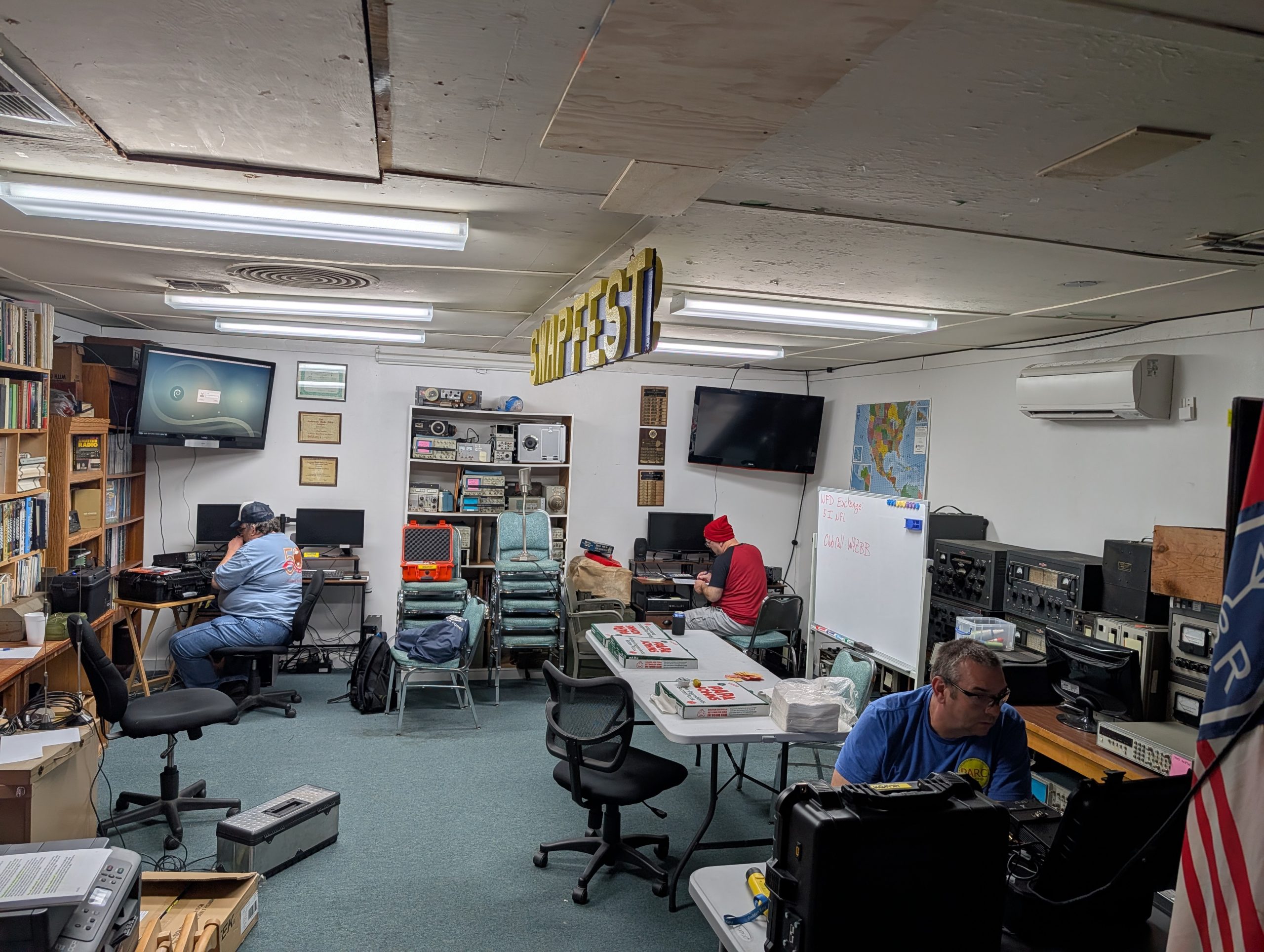
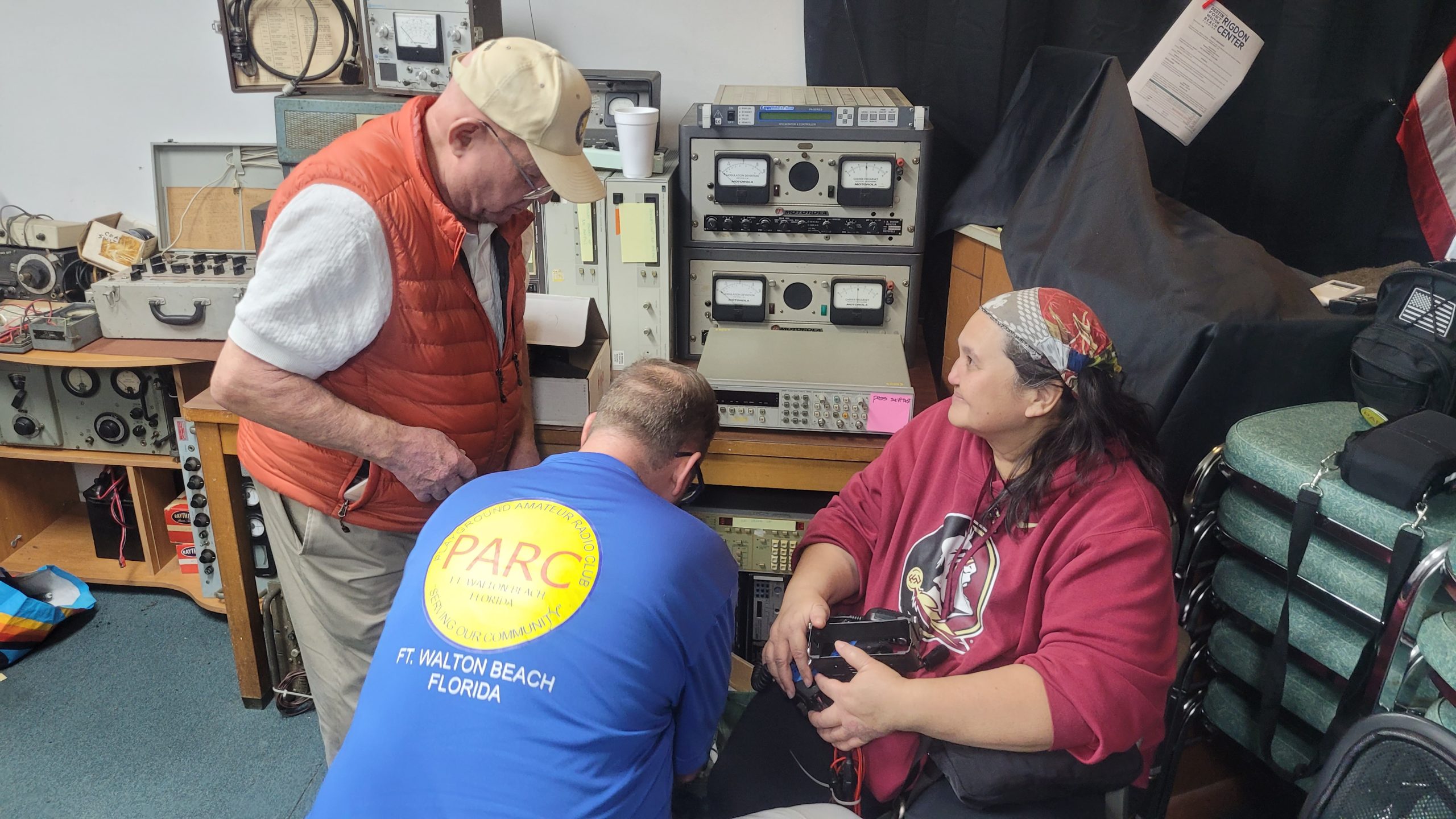
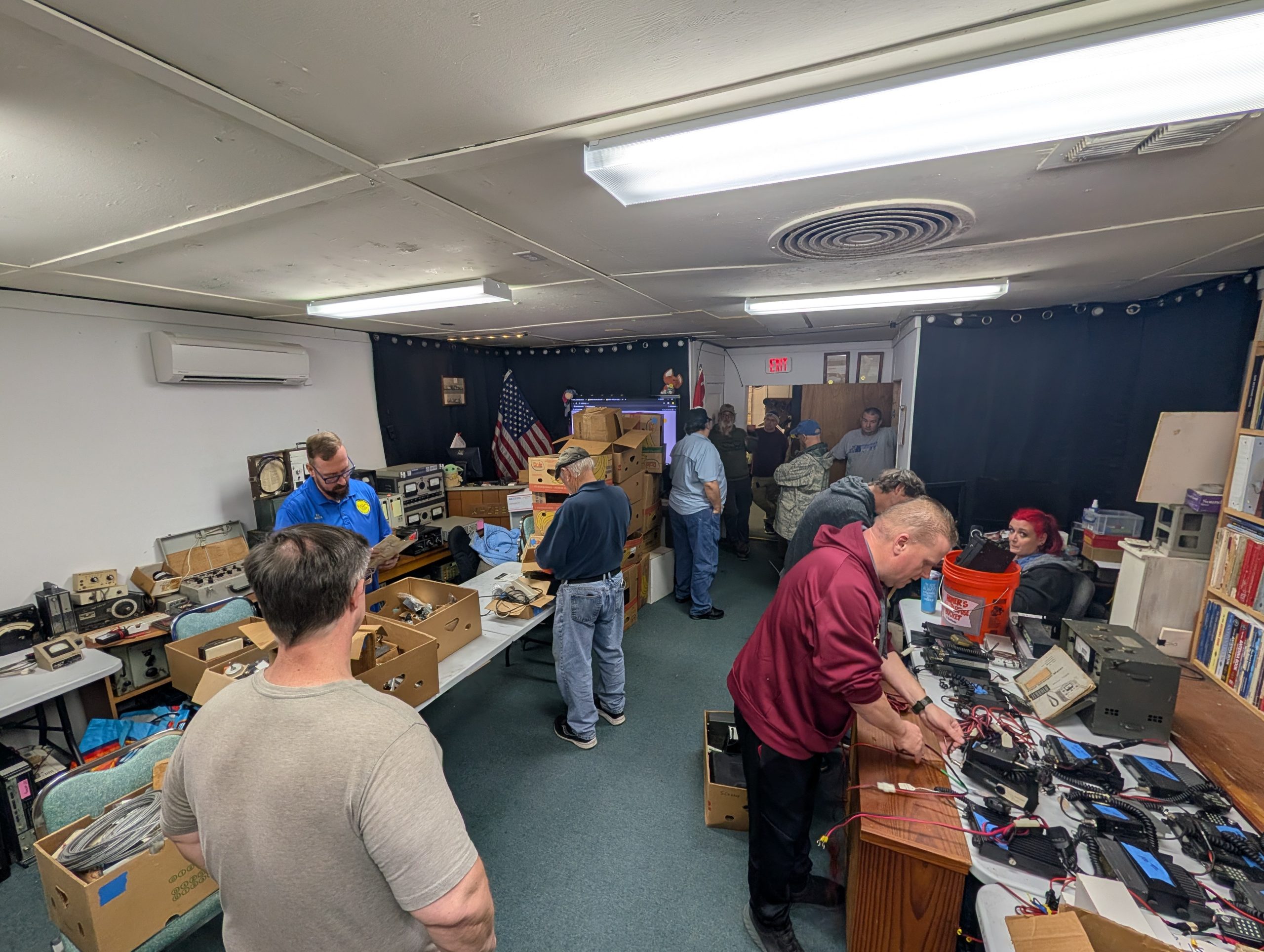
We had a great Pile-Up today at the Playground Amateur Radio Club! Visitors and members showed up and let me tell you what! We completed the connection to the Frankantenna R7 / R9 build! We made contacts on multiple bands and its back!


But wait, there’s more! We also helped out our fellow members with a flat tire and fixed a tangled web of coax on an antenna system!


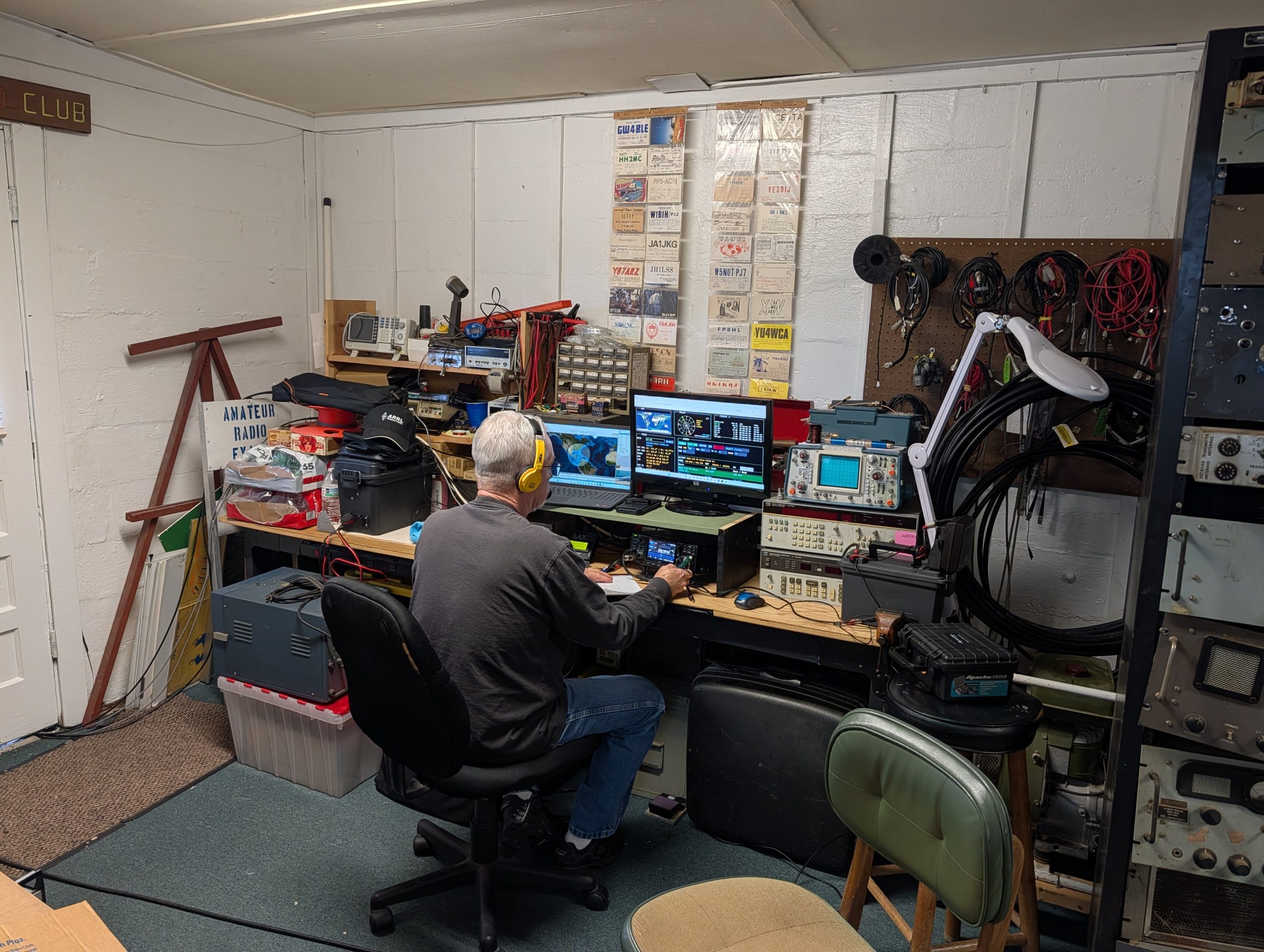
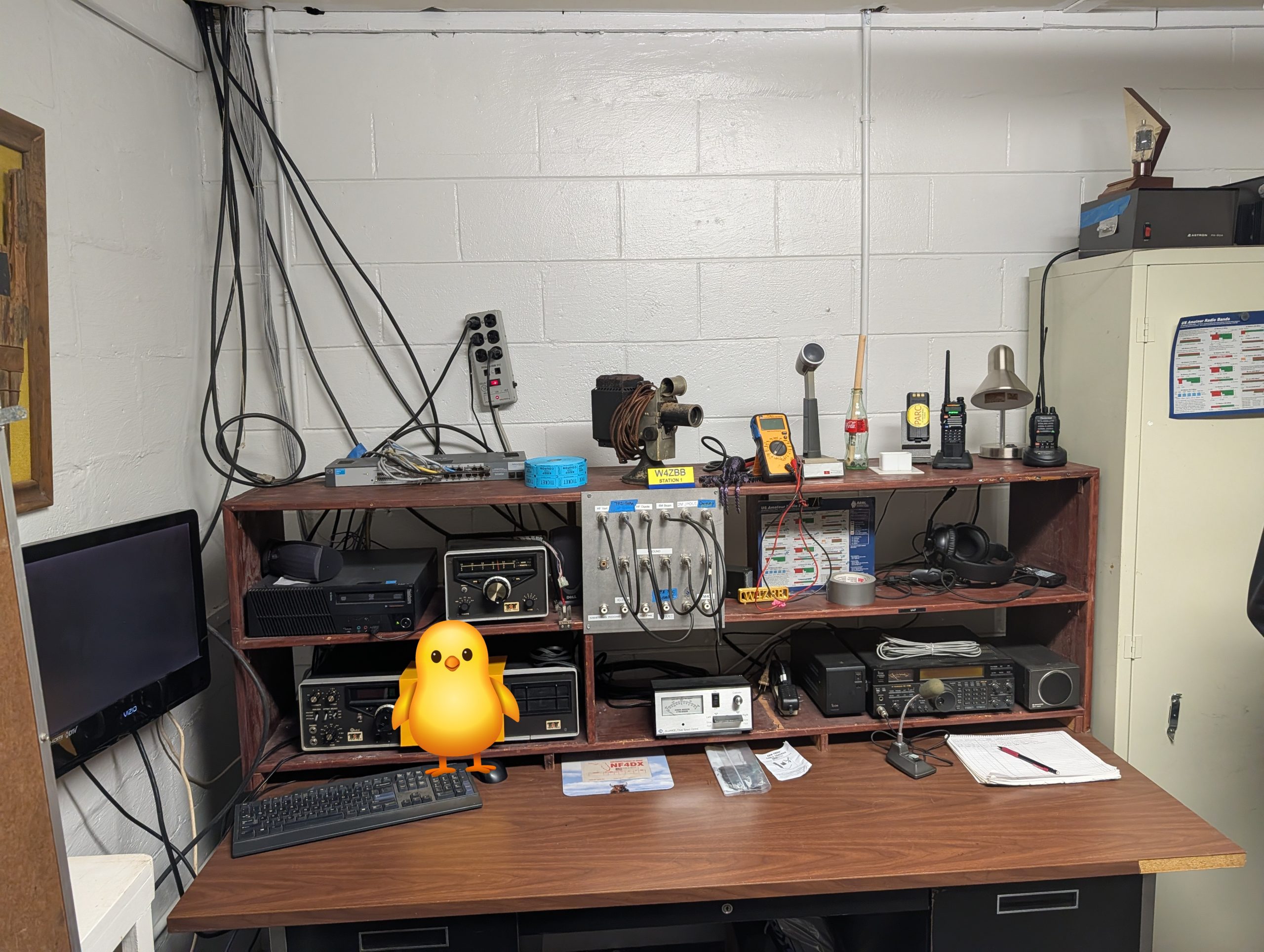
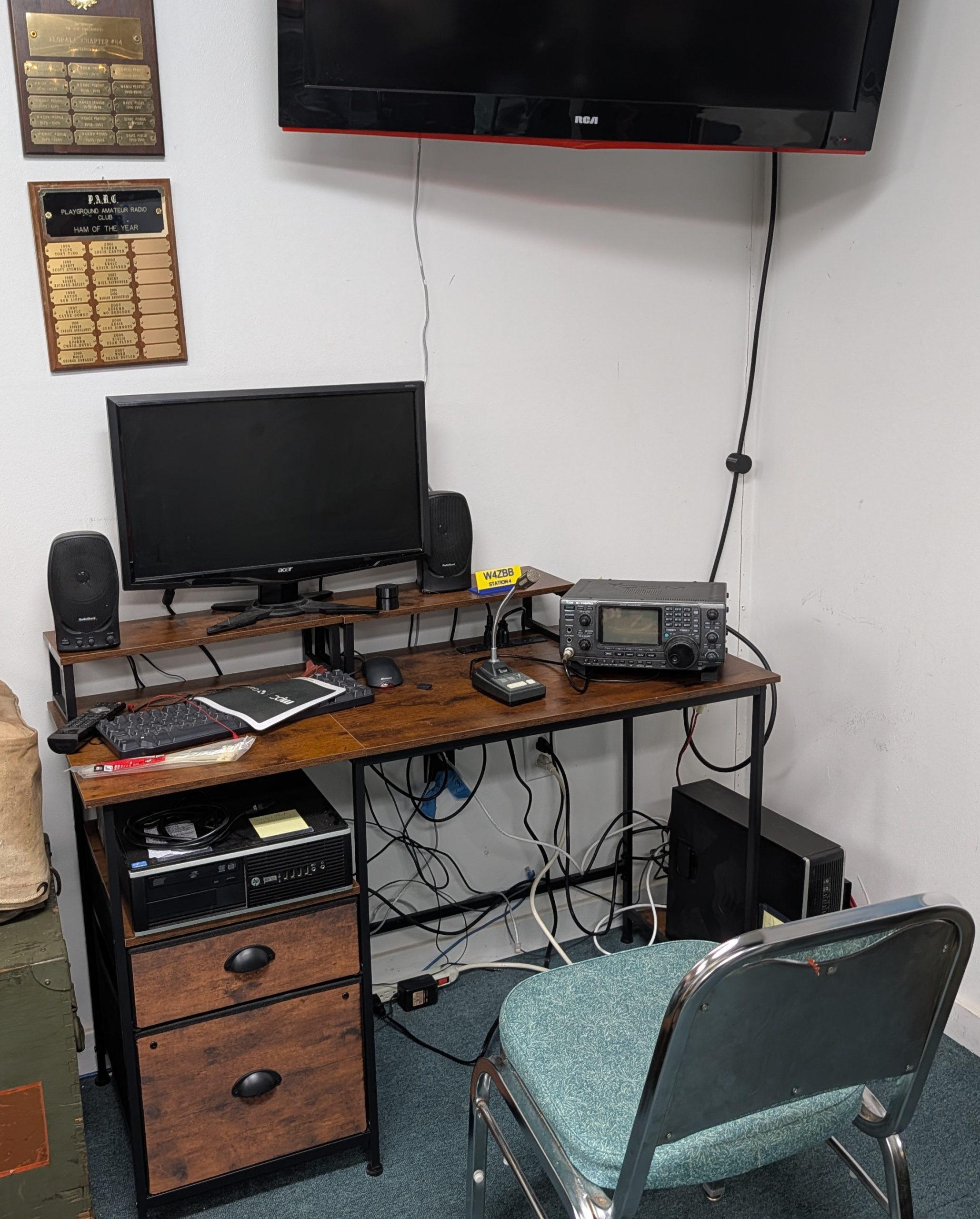
If that is not enough, we learned more about the W4ZBB FT8 Station! WHAT?! PARC does FT8?! Yuppers! You better believe it!


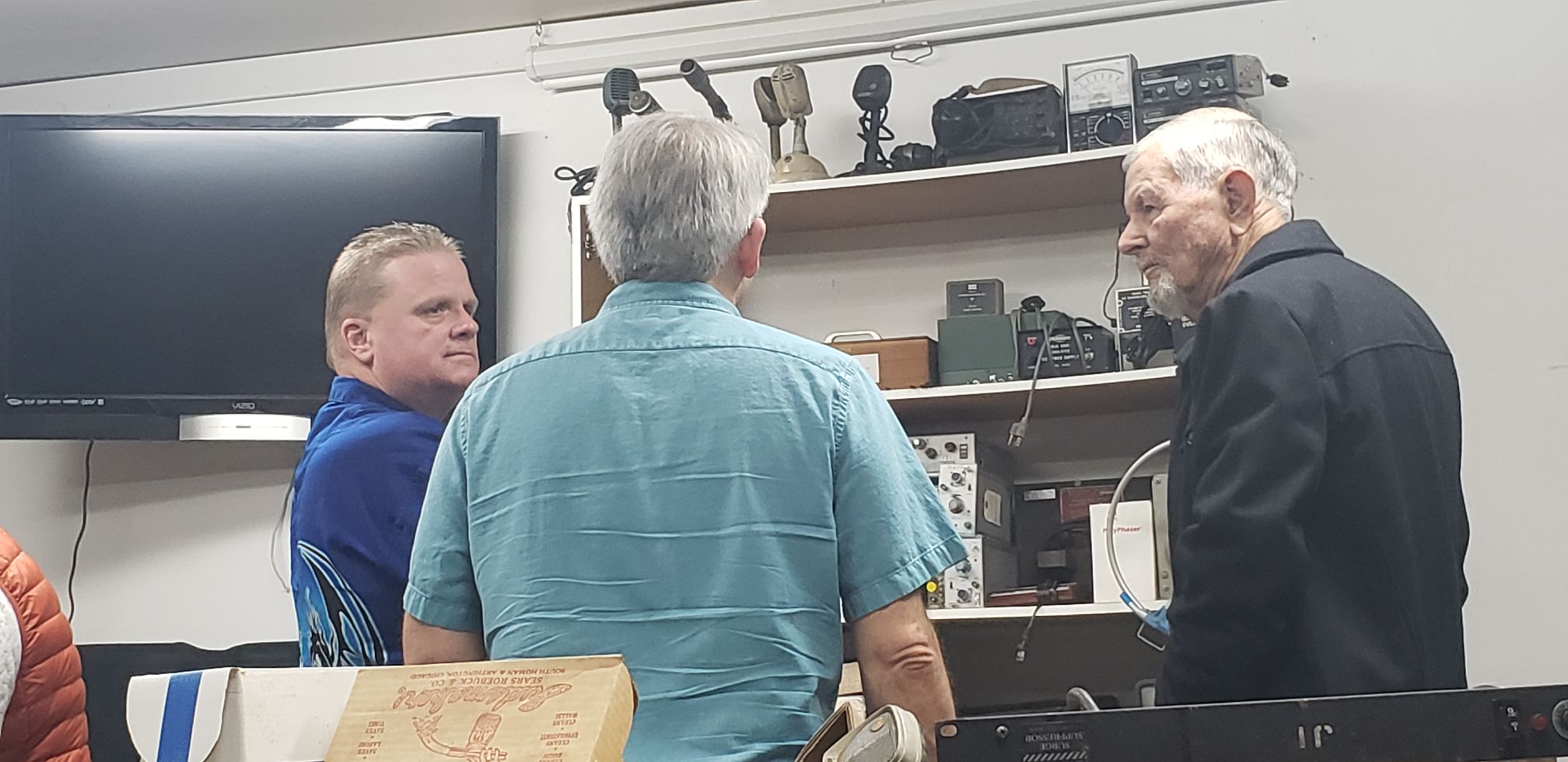
We also had others at the Club benefiting discussion on upcoming events and Radio work! Here’s a teaser for two such events,…watch in and upcoming release for the PARC B Q Open House! Also, be on the lookout for more details concerning this year’s Ham for the Holidays dinner in partnership and sponsored by North Okaloosa Amateur Radio Club – NOARC!


Oh the joy of radio and fellowship!


One last thing, if you’re reading this, Thursday at 730pm is Tech Night at the Playground Amateur Radio Club! This week we bring you the CSFL! The subject of the August Technical Night will be “Integration of Amateur Radio and Other Community Networks”. That means we’ll be talking about GMRS, MURS, and other radio types and how we can work with them for the benefit of us all!


See you all soon!


Beyond the Shack: The Far-Reaching Capabilities of Amateur Radio Clubs

Amateur radio, often known as “ham radio,” is a unique hobby that blends the excitement of long-distance communication with a strong commitment to public service. Amateur radio clubs play a crucial role in fostering this unique blend, offering a range of capabilities that extend beyond simply connecting hobbyists. These organizations are vital hubs for learning, community building, and even essential emergency preparedness, often serving as lifelines during times of crisis.

One of the cornerstones of amateur radio clubs is their dedication to education and training. Many clubs offer classes and workshops covering a broad spectrum of topics, from basic radio operation and licensing requirements to advanced antenna building and digital communication modes. This educational component is vital for attracting and nurturing new enthusiasts, ensuring the continued growth and vitality of the amateur radio community. Clubs may provide resources like study guides, practice tests, and even the opportunity to take licensing exams, making it easier for individuals of all ages to embark on their ham radio journey.

Beyond the purely technical aspects, amateur radio clubs foster a strong sense of community and fellowship. They provide a platform for like-minded individuals to connect, share experiences, and collaborate on projects. Club meetings often feature guest speakers, demonstrations, and opportunities for hands-on activities, making them engaging and informative for members at all skill levels. This social interaction is particularly valuable for new operators, as clubs often offer mentorship programs where seasoned members guide and support those just starting out.

The capabilities of amateur radio clubs become especially apparent during emergency situations. When traditional communication infrastructures like cell towers and internet connections fail due to natural disasters or other emergencies, amateur radio operators step in to fill the communication void. Clubs often have dedicated Amateur Radio Emergency Service (ARES) or Radio Amateur Civil Emergency Service (RACES) programs, where trained volunteers work closely with local authorities and emergency management agencies. They can rapidly deploy communication stations, provide real-time situational reports, and facilitate communication between emergency responders, government agencies, and affected communities.

Furthermore, many amateur radio clubs are actively involved in public service events. They volunteer their time and equipment to assist with communication needs during events like parades, marathons, bike tours, and festivals, ensuring the smooth operation and safety of participants. This commitment to public service not only benefits the community but also provides valuable training and experience for club members, sharpening their communication skills and preparedness for potential emergencies.

Finally, amateur radio clubs are often at the forefront of technical advancement and experimentation within the hobby. They provide resources and encouragement for members to explore various aspects of radio technology, including specialized communication modes, antenna design, and digital systems. This continuous learning and innovation ensure that amateur radio remains a relevant and evolving service, ready to adapt to new challenges and opportunities.

In essence, amateur radio clubs are much more than just gathering places for hobbyists. They are dynamic organizations that play a vital role in education, community building, emergency preparedness, and technical innovation, making significant contributions to their local communities and the broader amateur radio world.

A View from the Past

Downtown Fort Walton Beach Florida 1960’s ish. Zoom in and follow the arrow to see the Clubhouse when it was the City Hall, Water and Sewer, Police, and Fire Station.

WIRES-X: Expanding Amateur Radio Communication Globally

Using WIRES-X for a communication

Playground Amateur Radio Club, Inc has a Wires-X!

91172 01172 AA0EU Fort Walton Beach Florida USA
WIRES-X (Wide-coverage Internet Repeater Enhancement System) is a revolutionary technology developed by Yaesu to significantly expand the reach and possibilities of amateur radio communication. By leveraging the Internet, WIRES-X connects conventional amateur radio stations worldwide, supporting both analog and advanced digital modes.
How WIRES-X Works
• Local Nodes: At the heart of the WIRES-X system are local nodes—radio stations (transceivers or repeaters) connected to the Internet via a PC. These act as access points, relaying traditional RF (radio frequency) signals into data packets for Internet transmission and vice versa.
• Rooms: The WIRES-X network introduces the concept of Rooms, communal digital spaces where multiple nodes can connect, enabling group conversations similar to a conference call.
• Repeater Linking: Multiple repeaters can be linked over vast distances, allowing seamless communication between amateur stations far outside normal radio range.
Key Features
• Support for C4FM Digital Voice: WIRES-X is notably built to work with Yaesu’s C4FM (Continuous 4 Level FM) digital voice system, providing clear, reliable audio and supporting simultaneous transmission of text, images, and other data.
• Analog and Digital Flexibility: While optimized for digital communication, WIRES-X also maintains compatibility with traditional analog FM, allowing operators with older equipment to participate (through analog nodes).
• Personal Digital Nodes: Users can set up their own personal or portable digital node with a compatible radio and PC, enabling access to the global WIRES-X network even from temporary or mobile locations.
Proprietary Network Structure
• Yaesu Infrastructure: Unlike open-source alternatives, WIRES-X is built on proprietary technology, with servers managed by Yaesu, primarily in Japan. Node and repeater connections require specific hardware, notably the HRI-200 Internet interface.
• Room Creation and Management: Licensed amateur operators can create and manage their own rooms, controlling who can access and participate, which is useful for clubs, emergencies, or special events.
Typical Applications
• Global Communication: Operators can connect from one side of the world to the other using modest radio equipment and a local node, bypassing the natural limits of VHF/UHF propagation.
• Data Exchange: Besides voice, users can exchange GPS location data, pictures, and short messages, leveraging the digital backbone of the system.
• Portable Operation: With the Portable Digital Node function, hams can quickly deploy mobile nodes at events, in emergencies, or during DXpeditions, using only their radio and a computer.
Comparison with Other Digital Linking Systems
While WIRES-X is similar in its aim to other systems such as Echolink, DMR, or BrandMeister, it is tightly coupled to Yaesu’s hardware ecosystem and the C4FM digital standard. Access to the WIRES-X system generally requires compatible Yaesu radios and the HRI-200 for node operation, which some hams view as a trade-off for the system’s stability and feature set.
Limitations and Etiquette
• Shorter operating sessions and adherence to established protocols (e.g., leaving several seconds between transmissions) are encouraged to prevent congestion and enhance accessibility on popular nodes and rooms.
• Use of the system may be restricted by local regulations, hardware requirements, and the need for Internet connectivity.
WIRES-X has made a profound impact on the amateur radio community by bridging the gap between traditional RF operation and modern digital, internet-based communication. By providing an accessible, robust, global platform for both voice and data, it continues to shape the future of amateur radio.

The Frankantenna is Vertical!

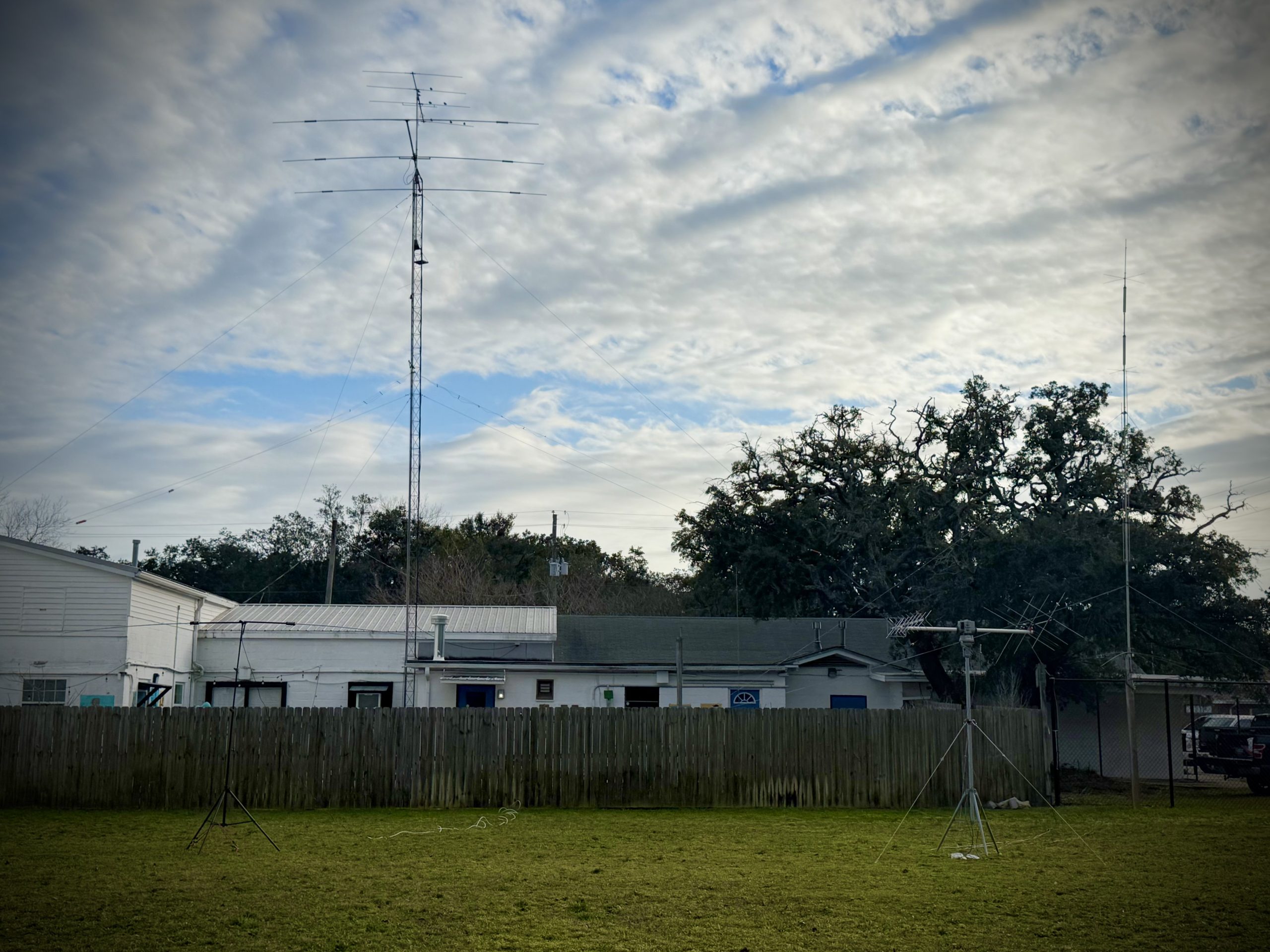
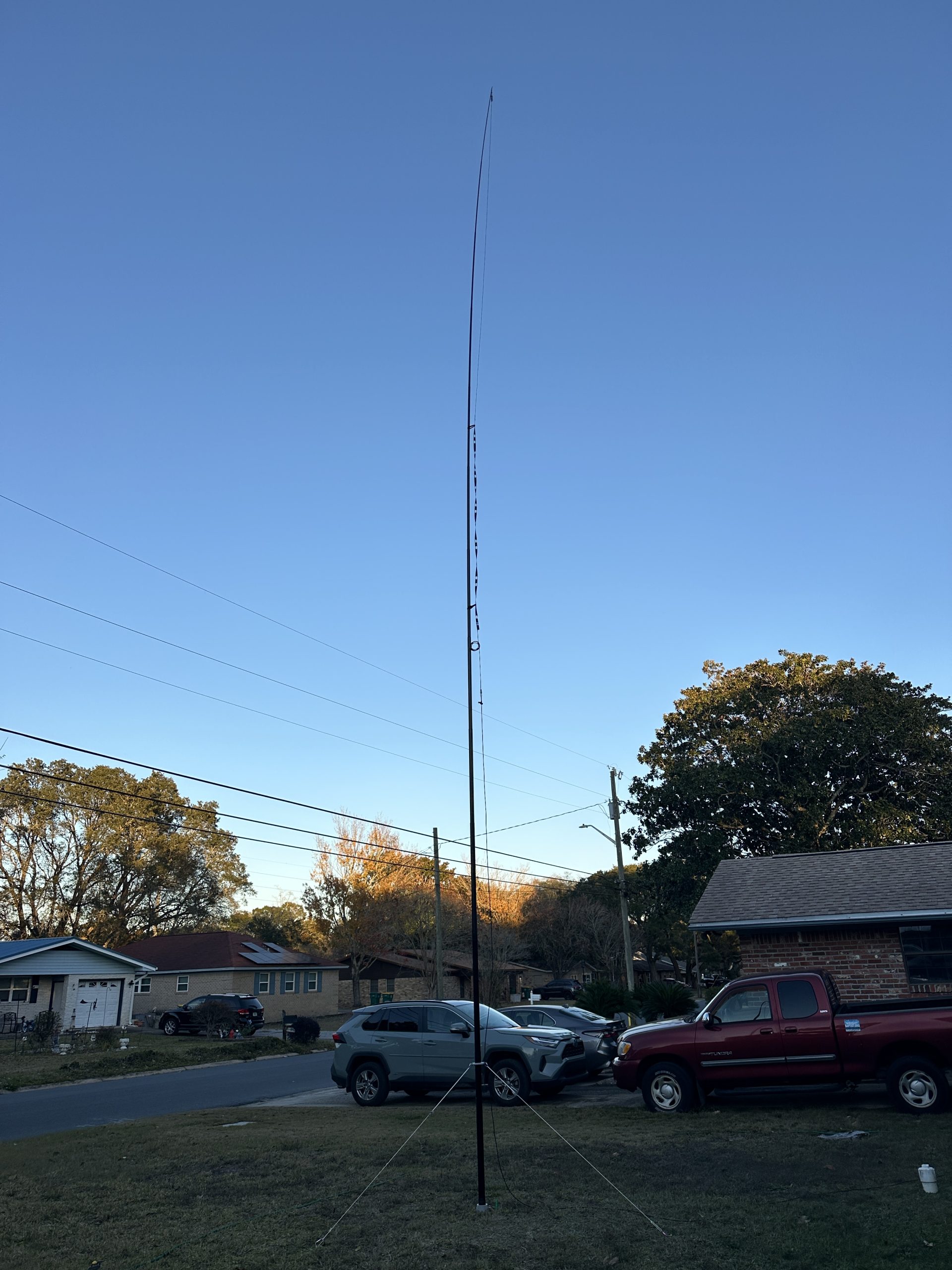
What do you do on a Sunday following a road trip?! Show up at the Pile-Up [during a heatwave] and erect an HF Vertical! This just goes to show that there is a safe way to eat a banana! In any light, other than massively long hotdogs, this weekend, members from PARC gathered to finish the raising of the HF Vertical! “IT’S BAAAAACCCK!

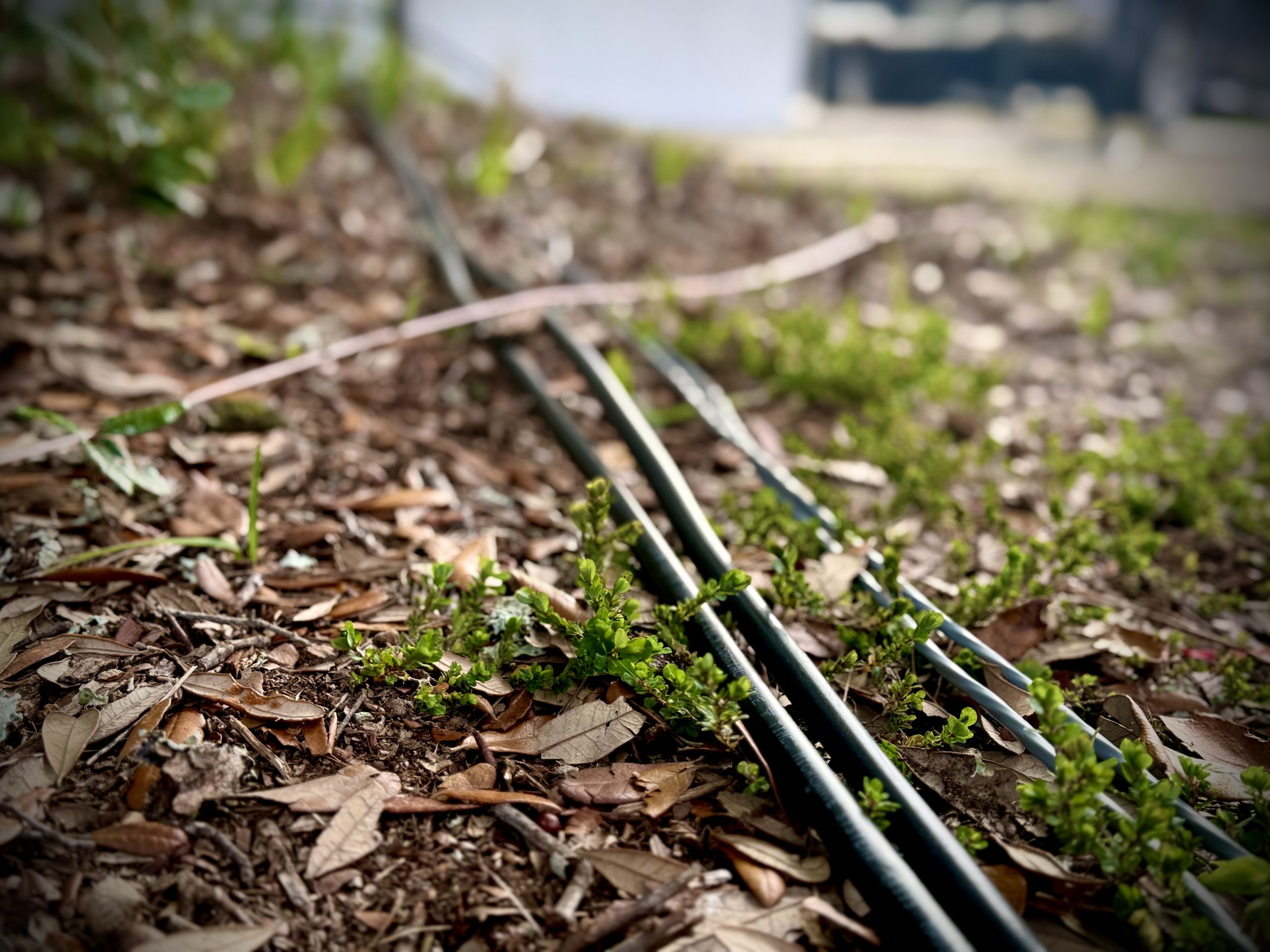
The Playground Team still has some work to do to connect it, but it’s one run of coax away from operational use! Then onto the next antenna project to enhance the Club’s already astounding communications capabilities! Curious?! Look at the Club Calendar and stop in to see for yourself!

Page 7 of 18

Powered by WordPress & Theme by Anders Norén